 EN
ENDEALER
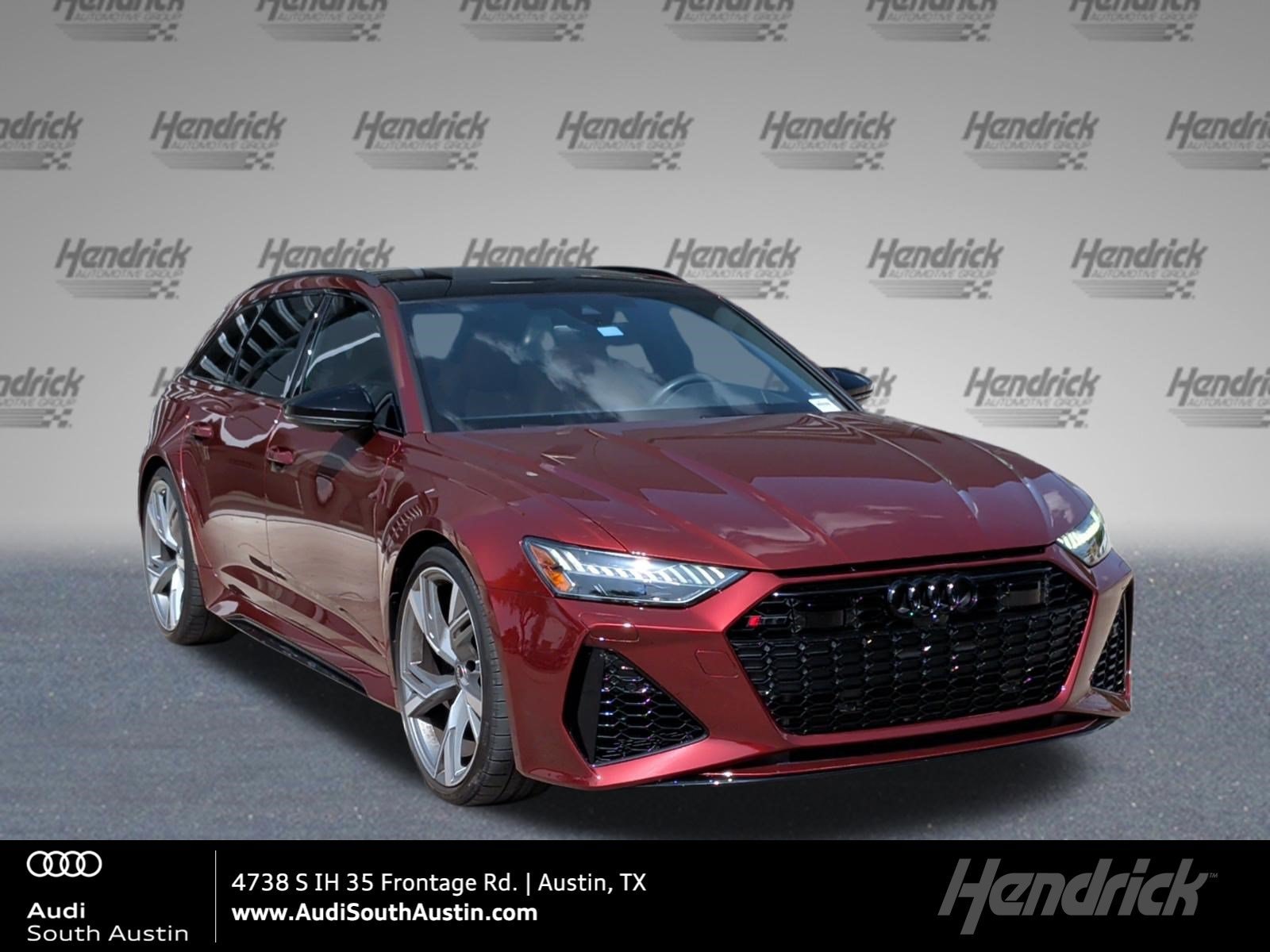
116.125 US$DEALER
116.216 US$
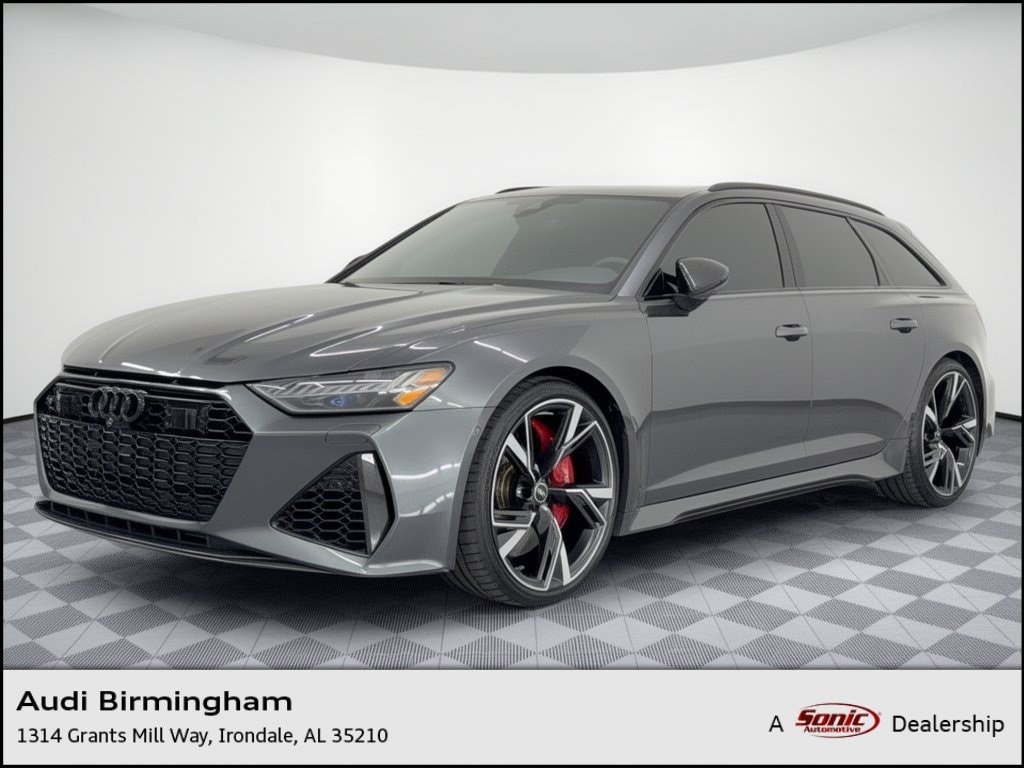
gasoline, automatic, 38K km, wagon, All Wheels Drive, 4,000 cm3, 621 hp, Used condition, Europa, In stock

HendrickCars.com
 Austin, United States
 Austin, United StatesIrondale, United StatesIrondale, United States
 United States
 Pasadena, United States
 Gersthofen, Germany
 Italy
Italy
 Livada de Bihor, Romania
 Albania, Tirana
 Moldova, Chișinău Municipality
 Ploeştiori Eforie, Romania
 Bulgaria, VarnaBulgaria, Varna
 United Arab Emirates, Dubai
 United Arab Emirates, DubaiUnited Arab Emirates, Dubai
 United Arab Emirates, Dubai
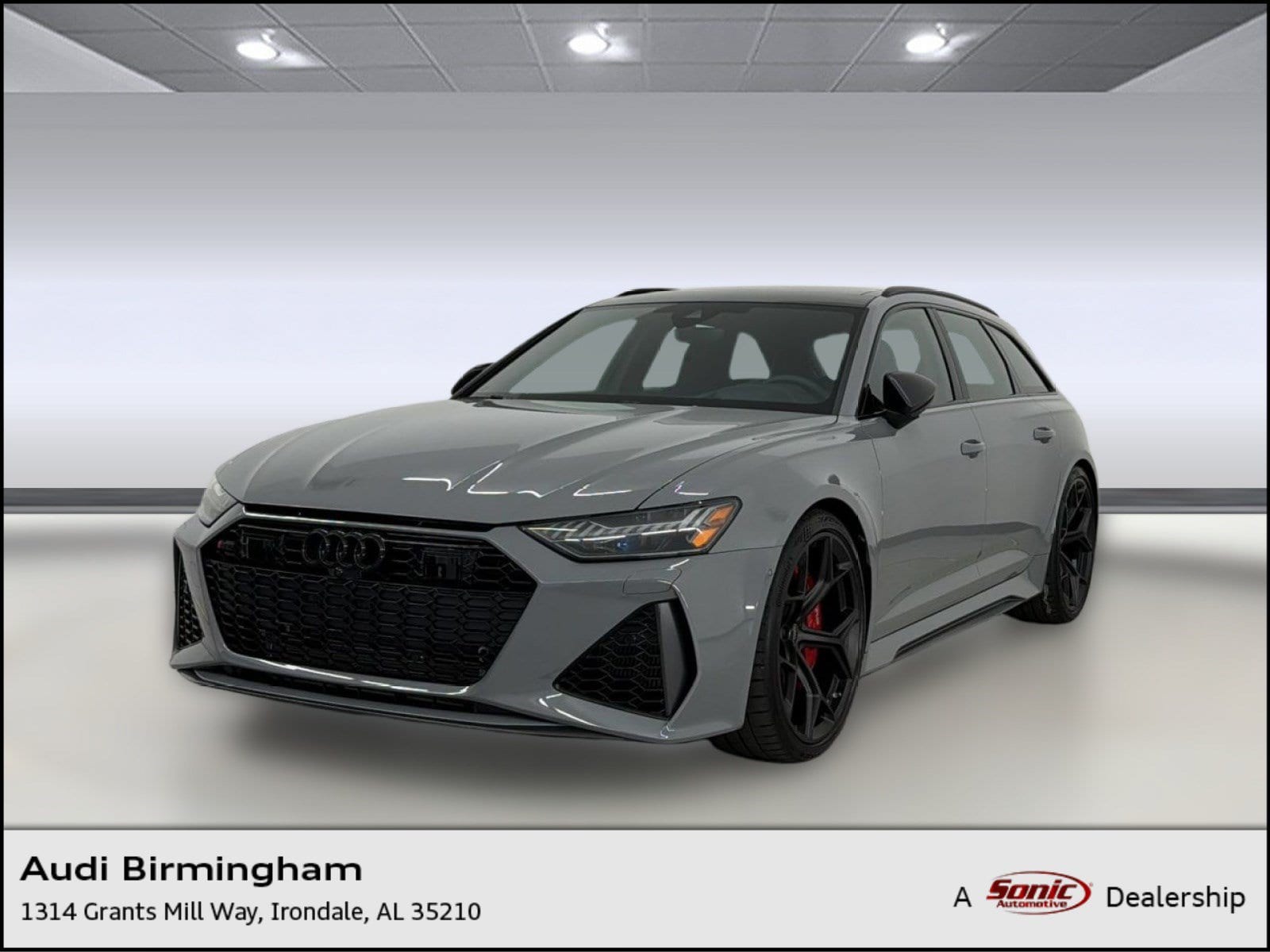
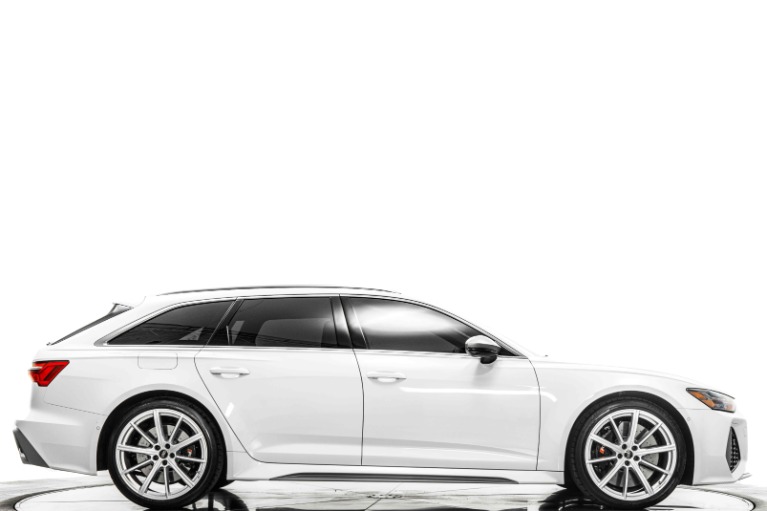
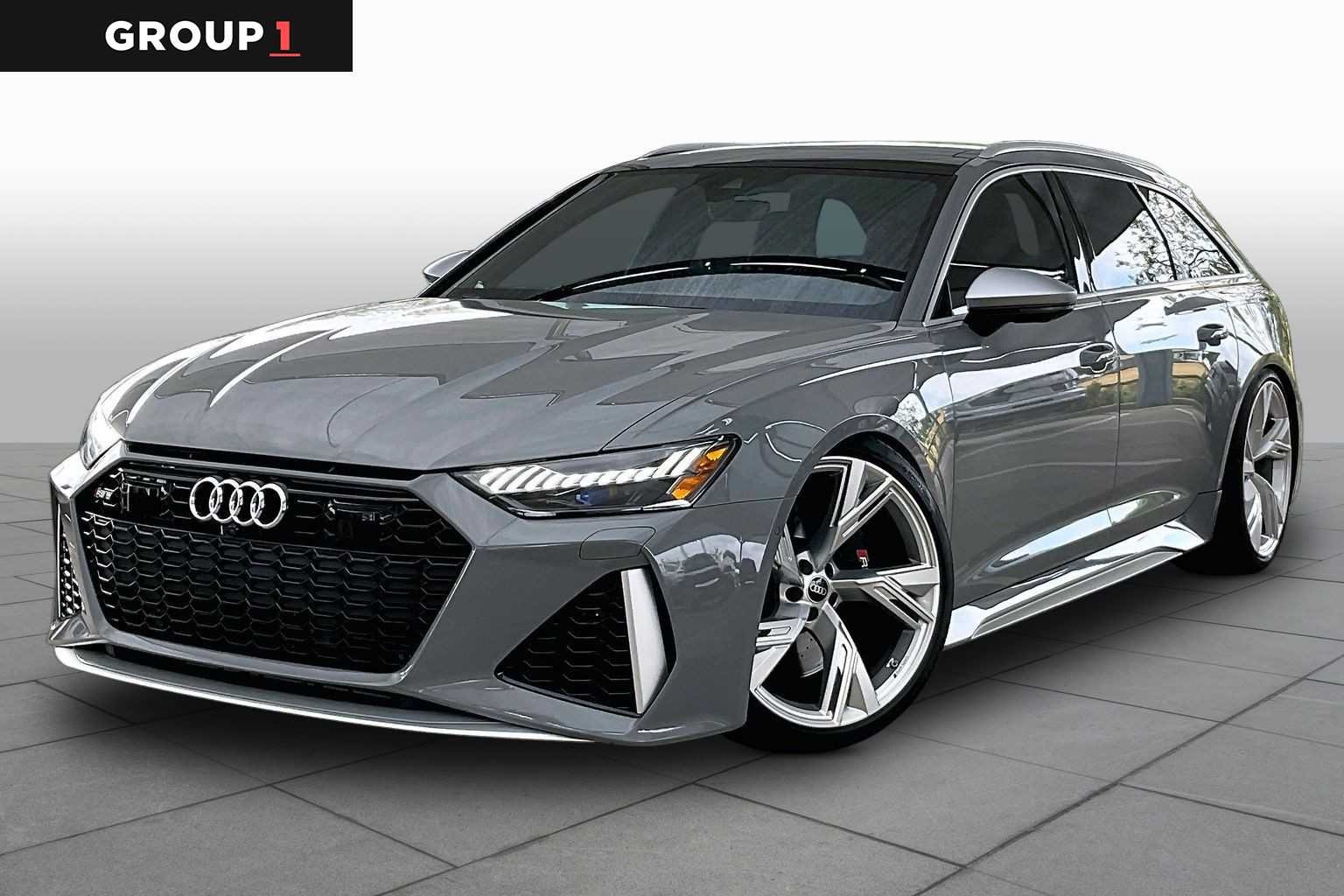
The Audi RS6 stands out as a high-performance wagon that blends everyday practicality with tremendous speed. If you’re considering a purchase or thinking about selling an RS6, you’ll want clear guidance on what to look for, how prices are set, and which configuration best fits your needs. This guide covers the key factors that influence value and reliability, from the model generation to mileage and country-specific nuances for buyers and sellers in major markets.
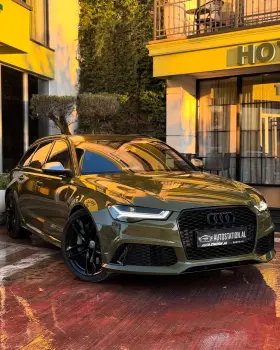
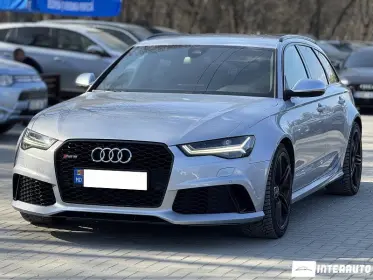
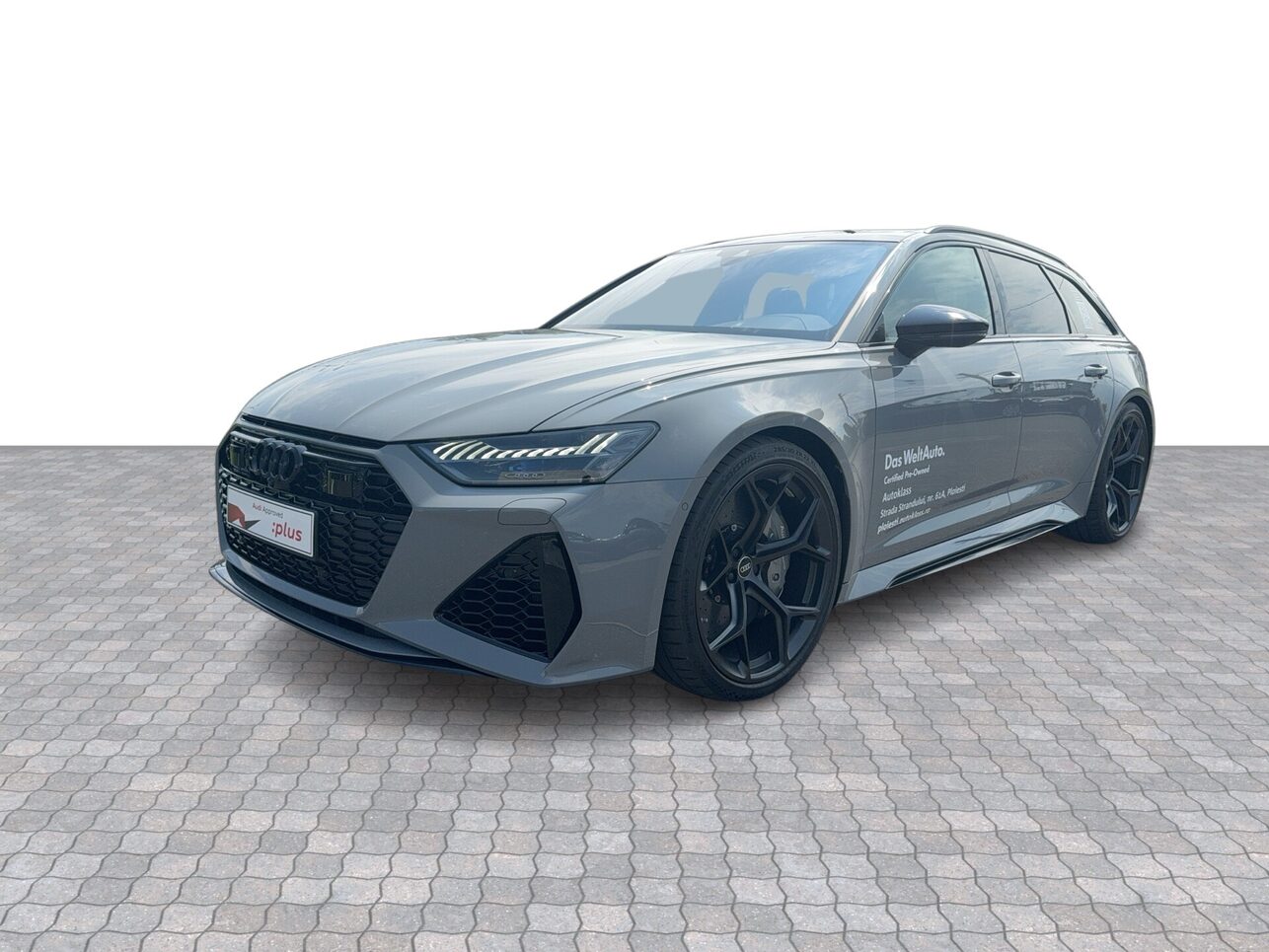
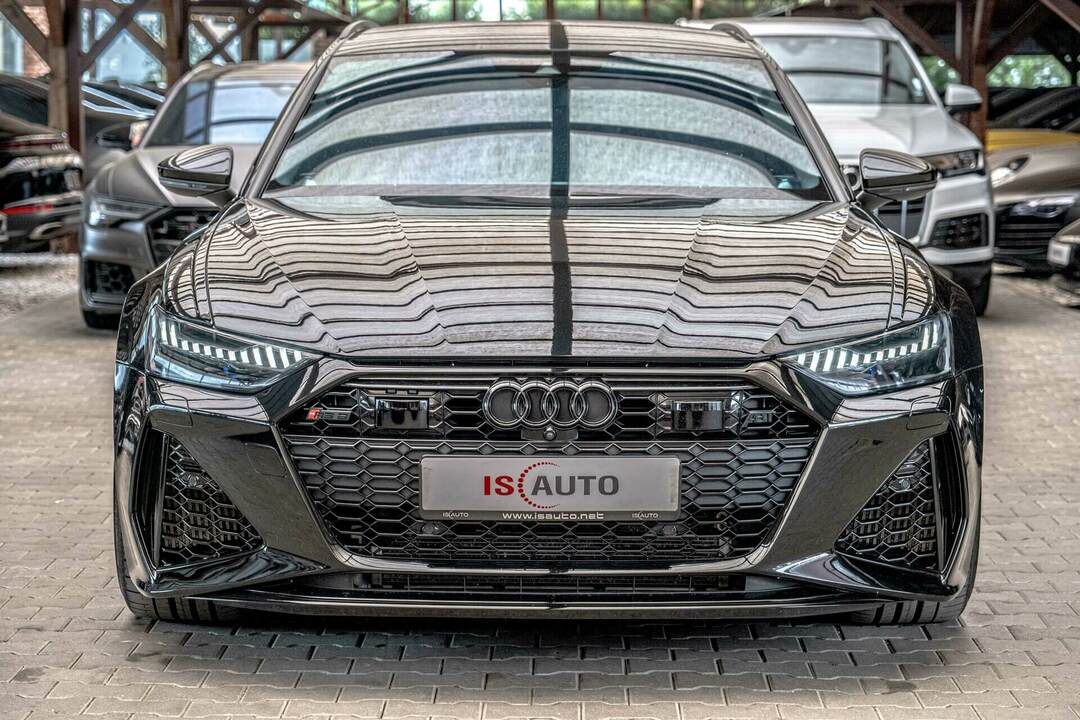
The RS6 has evolved through several generations, with notable changes in engines, technology, and body design. When evaluating a car, start by identifying the exact generation and model year. Common configurations include:
For buyers, matching the generation to your preferences matters for reliability, maintenance costs, and available tech features. For sellers, highlighting the generation, upgrades, and service history can significantly improve appeal.
Price segments for the RS6 can vary by country, year, mileage, and overall condition. Here are practical checks to guide your decision:
Remember to compare RS6 listings by price range and features such as navigation, panoramic sunroof, carbon-ceramic brakes, or upgraded audio systems. A fair price often reflects the car’s condition, service records, and remaining factory warranties or extended coverage.
If you’re selling, present a transparent history of maintenance and a clean, professional presentation of the car. Highlight:
Consider timing your listing around market demand in your country or city. Well-presented RS6s with complete service histories and careful maintenance are typically priced more favorably and attract serious buyers more quickly.
In summary, the Audi RS6 is a dynamic option for enthusiasts who need practicality without sacrificing speed. Whether buying or selling, focusing on the correct generation, knowing the mileage, and providing full service records will help you reach a fair deal in your local market.
 Add as preferred sourceSee more from zvelta in Google Search Add as preferred source