 EN
ENDEALER
15.999 US$DEALER
14.969 US$
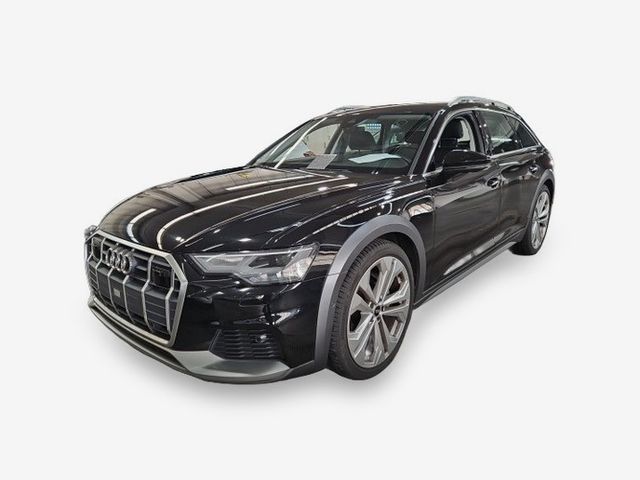
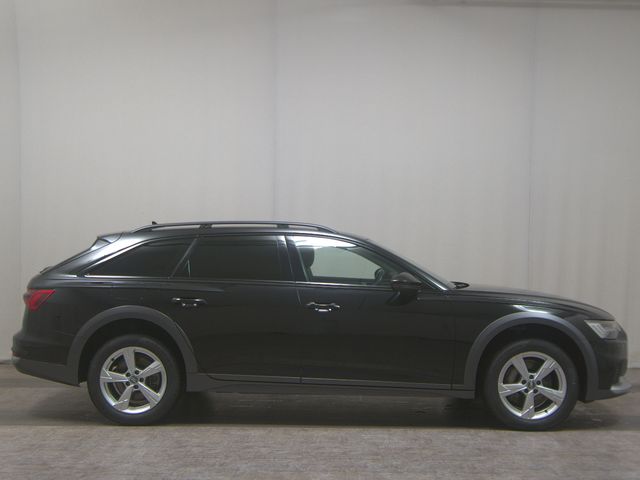
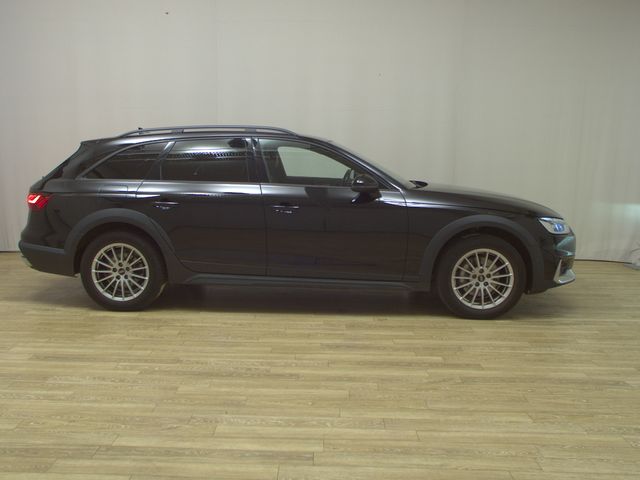
gasoline, automatic, 141K km, wagon, All Wheels Drive, 2,000 cm3, 220 hp, white, Premium Plus, Used condition, USA, In stock

Group1Auto.com
 Atlanta, United States
 Atlanta, United States
 United States
 Germany, Lower SaxonyGermany, Lower SaxonyGermany, Lower Saxony
When you're considering a practical all-terrain wagon, the Audi Allroad often comes to mind as a reliable choice that blends utility with refined driving. This guide helps buyers and sellers in key markets understand what to look for, how different generations compare, and what to expect in terms of price, mileage, and configuration. Whether you are targeting a city commute, weekend adventures, or a mix of both, the Allroad offers flexible body types and engines to fit various needs.
The Allroad is built on Audi’s traditional wagon platform with enhancements for light off-road capability and higher ride height. Pros include a tasteful interior, strong quattro all-wheel-drive performance, and a balance between cargo space and passenger comfort. Potential drawbacks are higher maintenance costs compared to standard sedans and limited cargo space in some configurations. Buyers often weigh this against the car’s premium feel and versatile four-season capability.
When evaluating options, focus on the main factors: model generation, fuel type, mileage, and price segment. Common generations include earlier variants known for their classic design cues and later models that bring updated technology and improved efficiency. Fuel choices range from efficient gasoline to more specialized setups in top trims, and some markets offer diesel variants with varying availability.
If you’re selling, consider timing your listing when demand is strongest in your city or country. For buyers, a well-documented Allroad with balanced mileage and a clean history can offer a satisfying balance of reliability and versatility. By focusing on the key elements—generation, fuel type, mileage, and price segment—you can make a confident decision about whether the Audi Allroad is the right choice for your next vehicle.
 Add as preferred sourceSee more from zvelta in Google Search Add as preferred source