 EN
ENDEALER
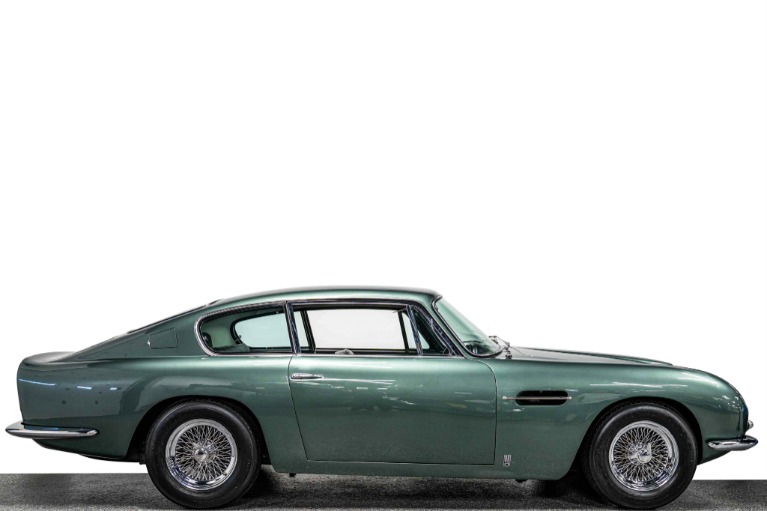
399.900 US$DEALER
1966, manual, 121K km, coupe, Rear Wheels Drive, 4,000 cm3, green, 4.0L DOHC I6 286hp, Used condition, USA, In stock

MarshallGoldManoh.com
 Maryland, United States
 Maryland, United States
The Aston Martin DB6 remains a classic choice for enthusiasts who value timeless design and refined performance. If you’re considering buying or selling a DB6, understanding the model’s generations, engine options, and typical price range in your city can help you make a smarter decision. This guide covers what to look for when evaluating a DB6, how to compare offers in different markets, and practical tips for negotiating a fair price.
The DB6, introduced in the 1960s as a successor to the DB5, blends elegant styling with a more modern chassis and improved ride quality. Buyers often consider factors such as the body type (coupe), fuel type, and mileage when assessing condition. Common questions include: Is the DB6 reliable for daily driving? What maintenance costs should I expect? How does the value change with mileage, year, and restoration status?
When comparing listings in your country or city, look for consistent pricing across similar mileage and condition. Prices for well-maintained DB6 coupes in different markets can vary based on restoration quality, color, and originality of parts. Prospective buyers should request a full vehicle inspection and, if possible, a test drive to assess the suspension, steering, and braking. Sellers can enhance value by providing a detailed maintenance log and recent restorations or updates.
If you’re in a major city, you’ll likely find DB6 listings across private sales, classic car dealers, and auction houses. Reach out to experienced specialists who can assess condition and guide negotiations. A well-presented DB6 with clean paperwork and a credible restoration story often achieves the best results in the market. Whether you aim to buy for driving pleasure or as an investment, careful evaluation and a well-researched offer will help you secure a fair deal.
 Add as preferred sourceSee more from zvelta in Google Search Add as preferred source