
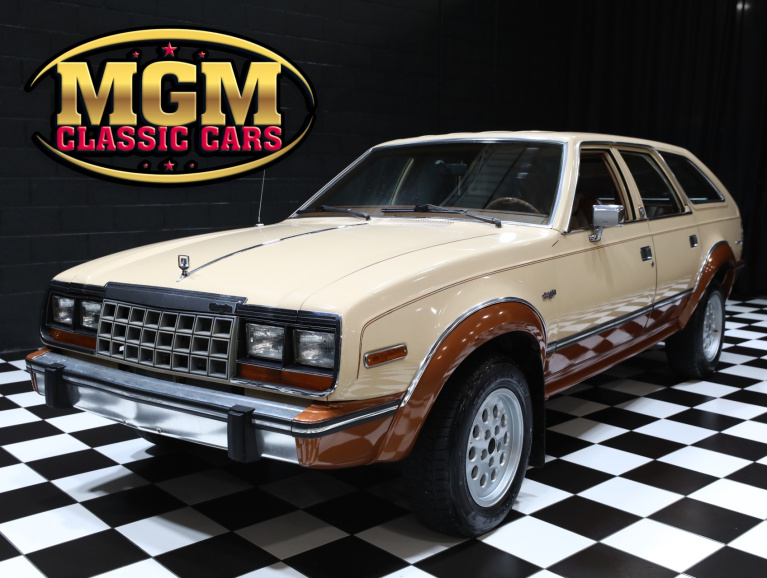


The AMC Eagle stands out as a classic SUV that blends rugged capability with everyday practicality. If you’re considering purchasing or listing an AMC Eagle, you’re likely thinking about factors like model year, generation, mileage, and overall condition. This guide covers the essentials buyers and sellers care about in key markets, helping you make a confident choice whether you’re in a city with a long-standing car culture or a region where collectors and enthusiasts gather.
Understanding the AMC Eagle lineup
The Eagle name encompasses several generations and configurations, most often built on a traditional SUV or wagon platform enhanced for light off-road use. When evaluating models, prospective buyers pay attention to:
- Year and generation: Early Eagles offered classic styling with evolving drivetrain options. Later generations may feature updated interiors or improved suspension.
- Body type: Traditional SUV or wagon-inspired shapes are common, with variations in roofline and cargo space that matter for daily use and long trips.
- Fuel and drivetrain: Look for gasoline engines with automatic or manual transmissions; some variants emphasize better fuel efficiency for everyday driving, while others prioritize torque for rough roads.
- Mileage and condition: A well-maintained Eagle with documented service history tends to hold value better than a high-mileage unit without records.
Where to find AMC Eagle listings and what to expect
In markets with a collector or classic-car presence, AMC Eagle ads often highlight:
- Price segment: Depending on year, rarity, and condition, prices range from affordable classics to more collectible examples.
- Documentation: Original manuals, maintenance records, and vintage parts can boost appeal and value.
- Completeness of the package: Availability of clean titles, spare wheels, and period-correct accessories influences desirability.
When buying, search phrases typical to enthusiasts include: “AMC Eagle for sale by owner,” “classic Eagle wagon,” “AMC Eagle generation comparison,” and “low-mileage AMC Eagle.” Sellers often use terms like “original interior,” “recent restoration,” or “well-maintained engine.”
Buying tips to make a smart choice
- Inspect the mechanicals: Check the engine, transmission, suspension, and four-wheel-drive system for signs of wear or leaks.
- Review service history: A documented history helps verify maintenance and non-accident status.
- Assess rust and body integrity: Classics can hide rust in floor pans, sills, and wheel wells; look for consistent paint and undercoating.
- Consider parts availability: While vintage, some components may be scarce; verify compatibility and restoration support with clubs or specialists.
Selling tips to maximize interest and value
- Provide complete history: Share maintenance logs, previous ownership, and any restorations.
- Offer verifiable mileage and condition: Honest disclosures build trust and speed up negotiations.
- Include high-quality photos: Clear images of interior, engine bay, and undercarriage help attract serious buyers.
- Highlight unique selling points: If the Eagle has rare options or a period-correct setup, call these out to differentiate from other classics.
Whether you’re scouting in a city with a solid car culture or a region where vintage SUVs attract attention, the AMC Eagle remains a compelling choice for collectors and practical drivers alike. By focusing on model year, generation, fuel type, body style, mileage, and a well-documented history, you’ll be better prepared to buy or sell at a fair price and with confidence.
 Add as preferred source