 EN
ENDEALER
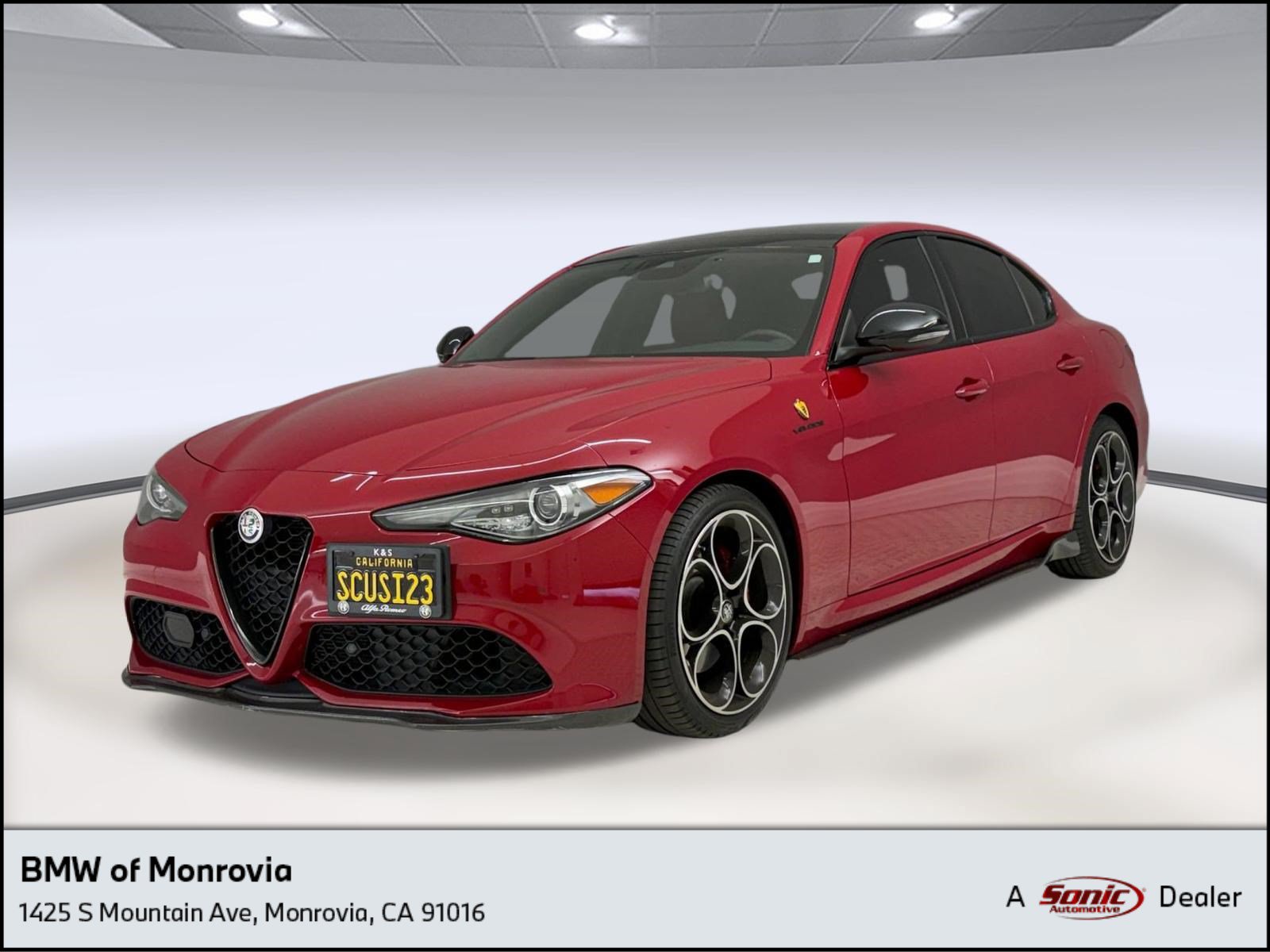
29.169 US$DEALER
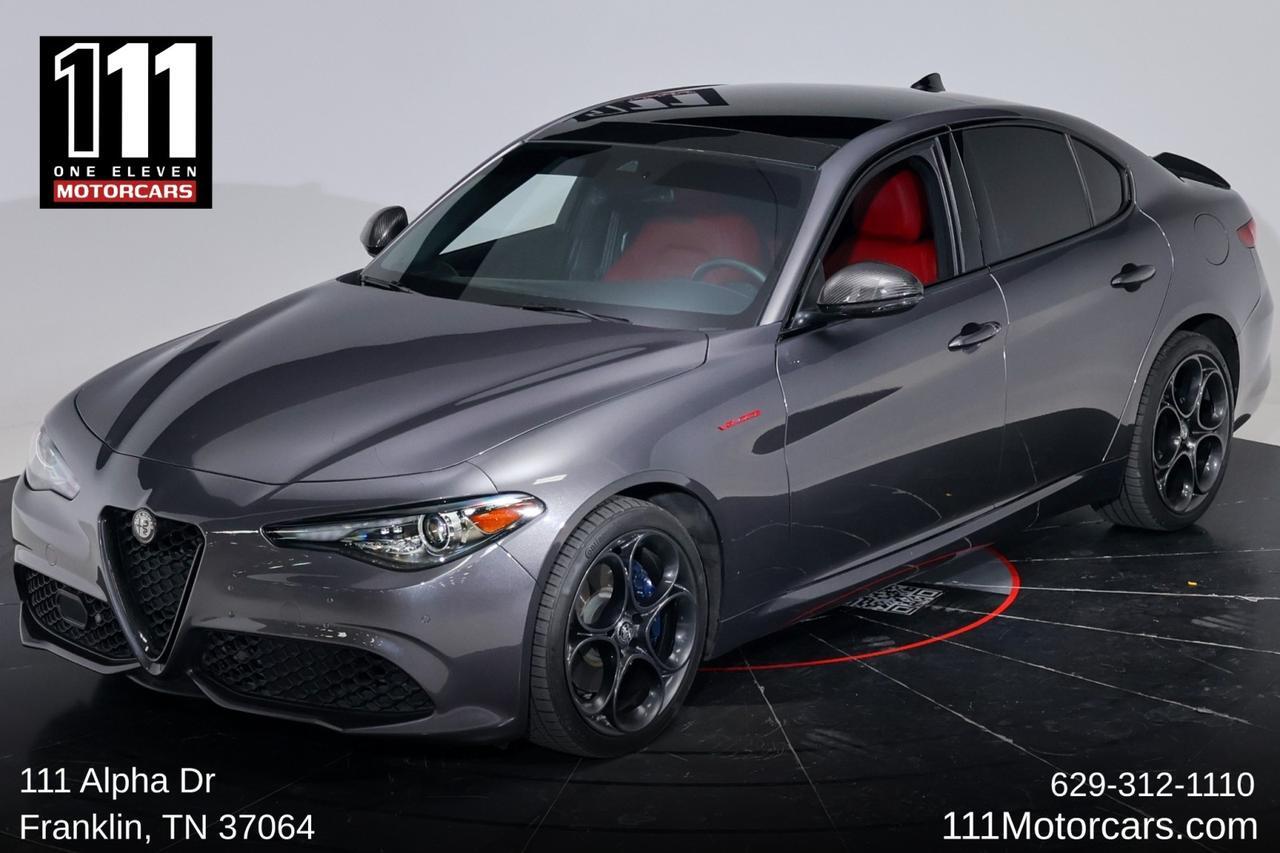
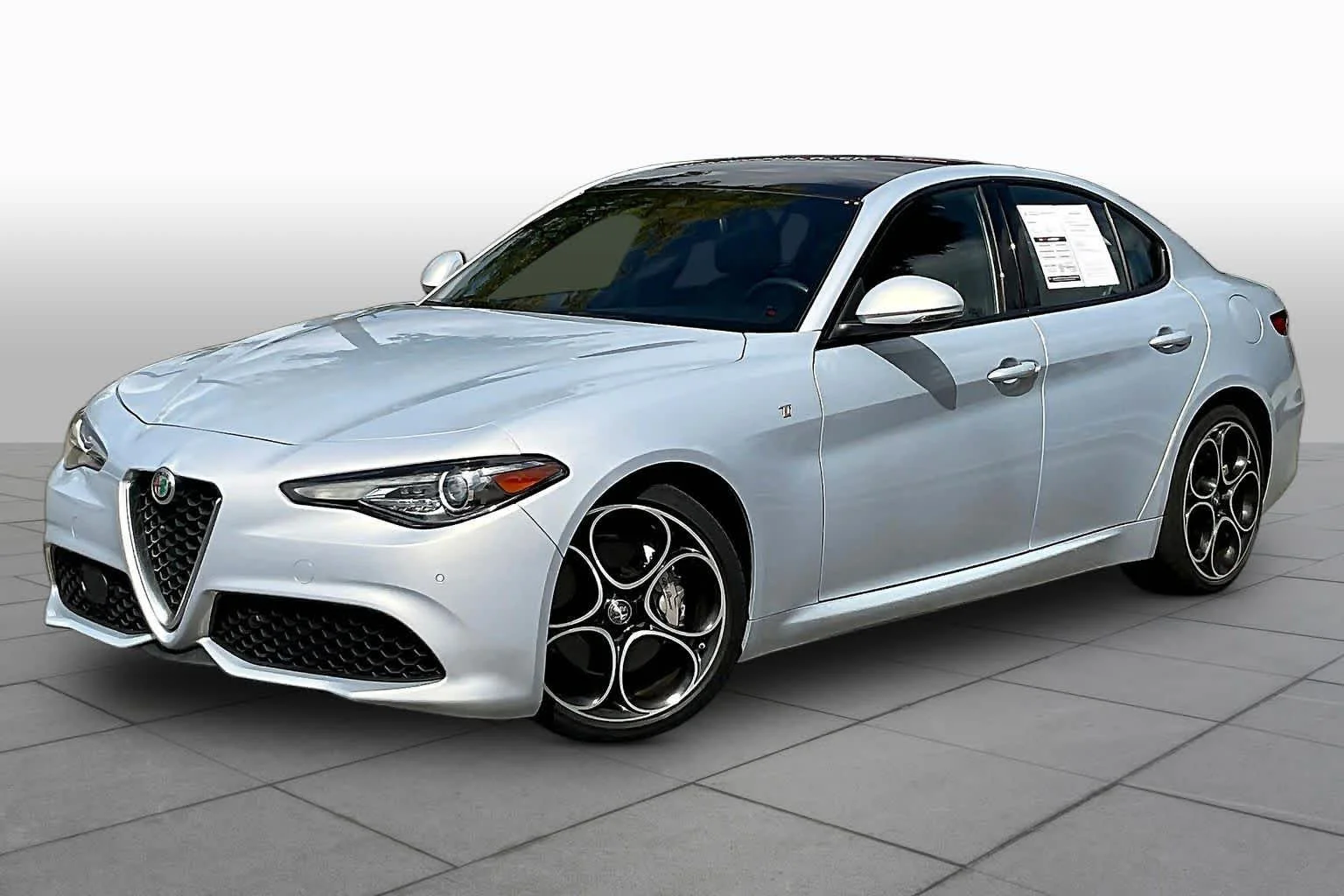
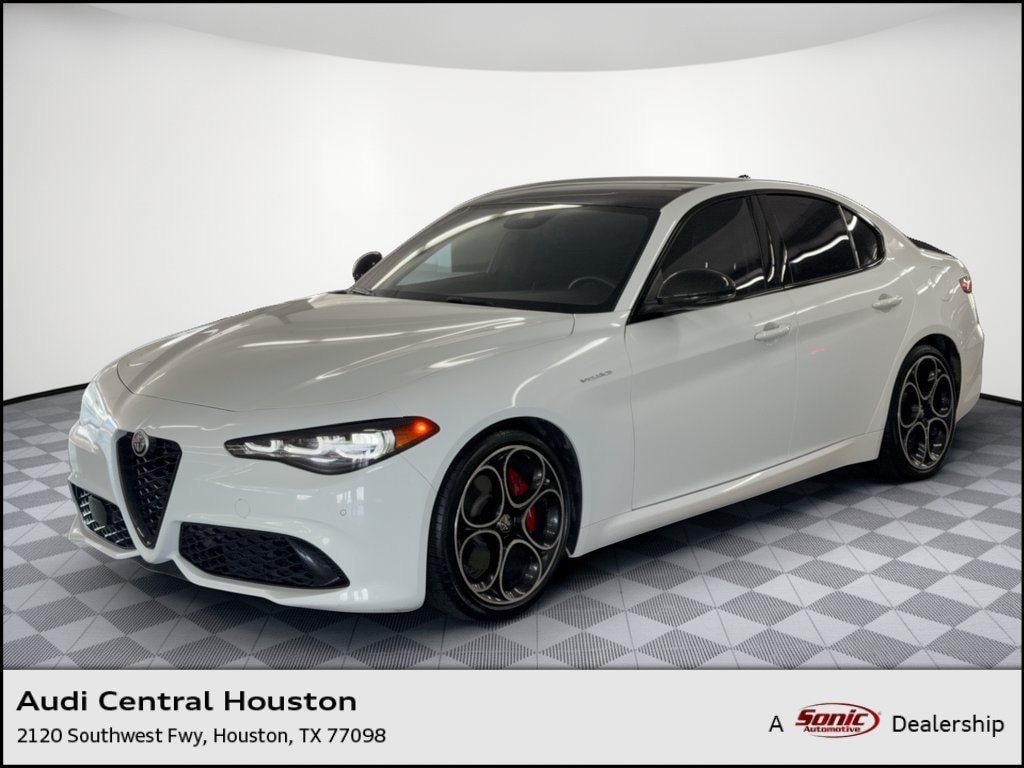
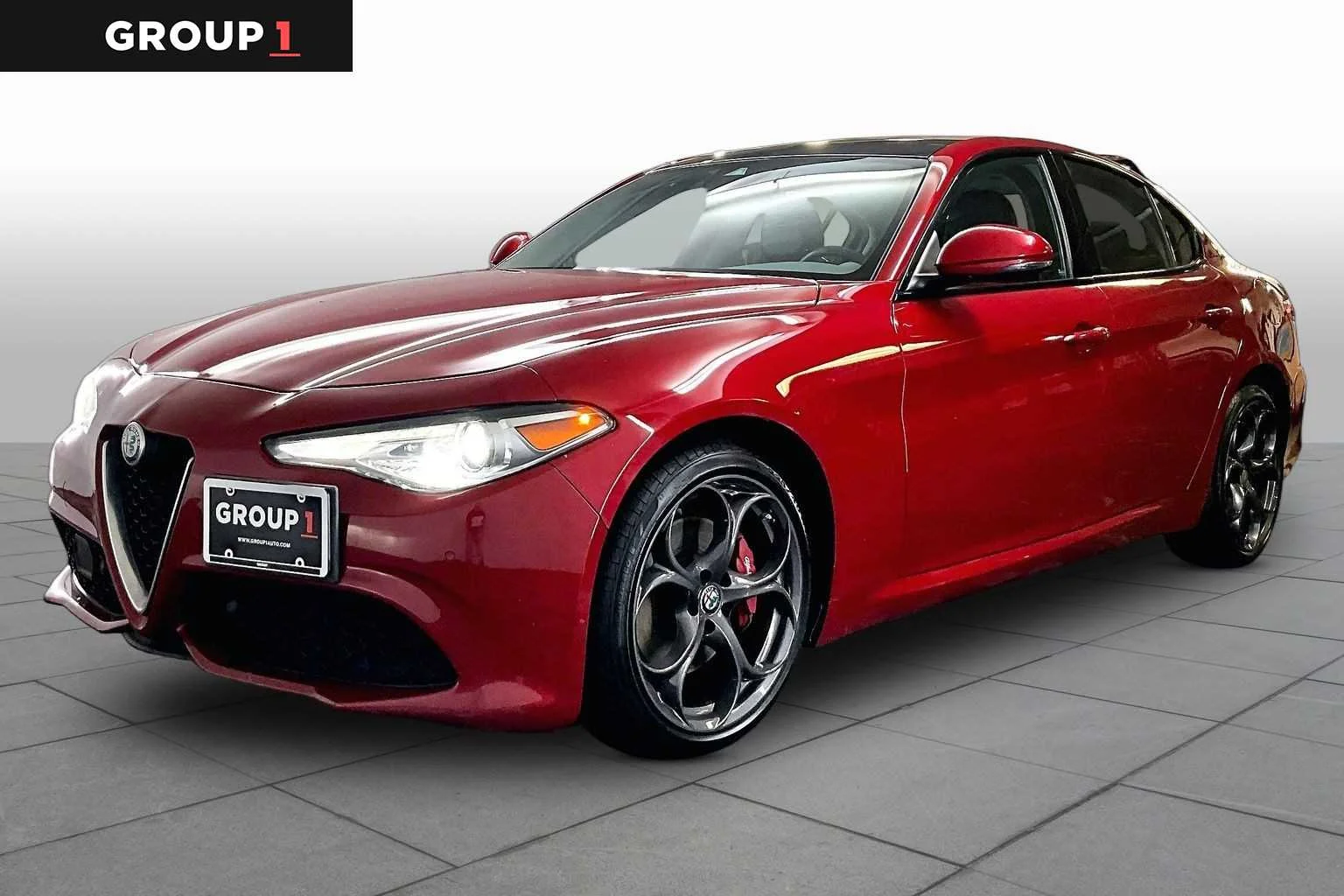
gasoline, automatic, 32K km, Rear Wheels Drive, 2,000 cm3, red, Used condition, In stock
SonicAutomotive.com
 Monrovia, United States
 Monrovia, United States
 Metrocenter / North Roads Park, United States
 Franklin, United States
 Stone Mountain, United StatesHouston, United StatesHanover, United States
 United States
 United StatesPasadena, United StatesFort Myers, United StatesCity of Grand Prairie, United StatesGrove West, United States
 Wilmington, United States
 Spain, Castille and León
 Belgium
 Netherlands
 Germany
 Poland
 Romania, Arad CountyRomania, Arad County
 Municipiul Sebeş, Romania
 Romania, Suceava
 Romania
 Rîşcani, MoldovaMoldova
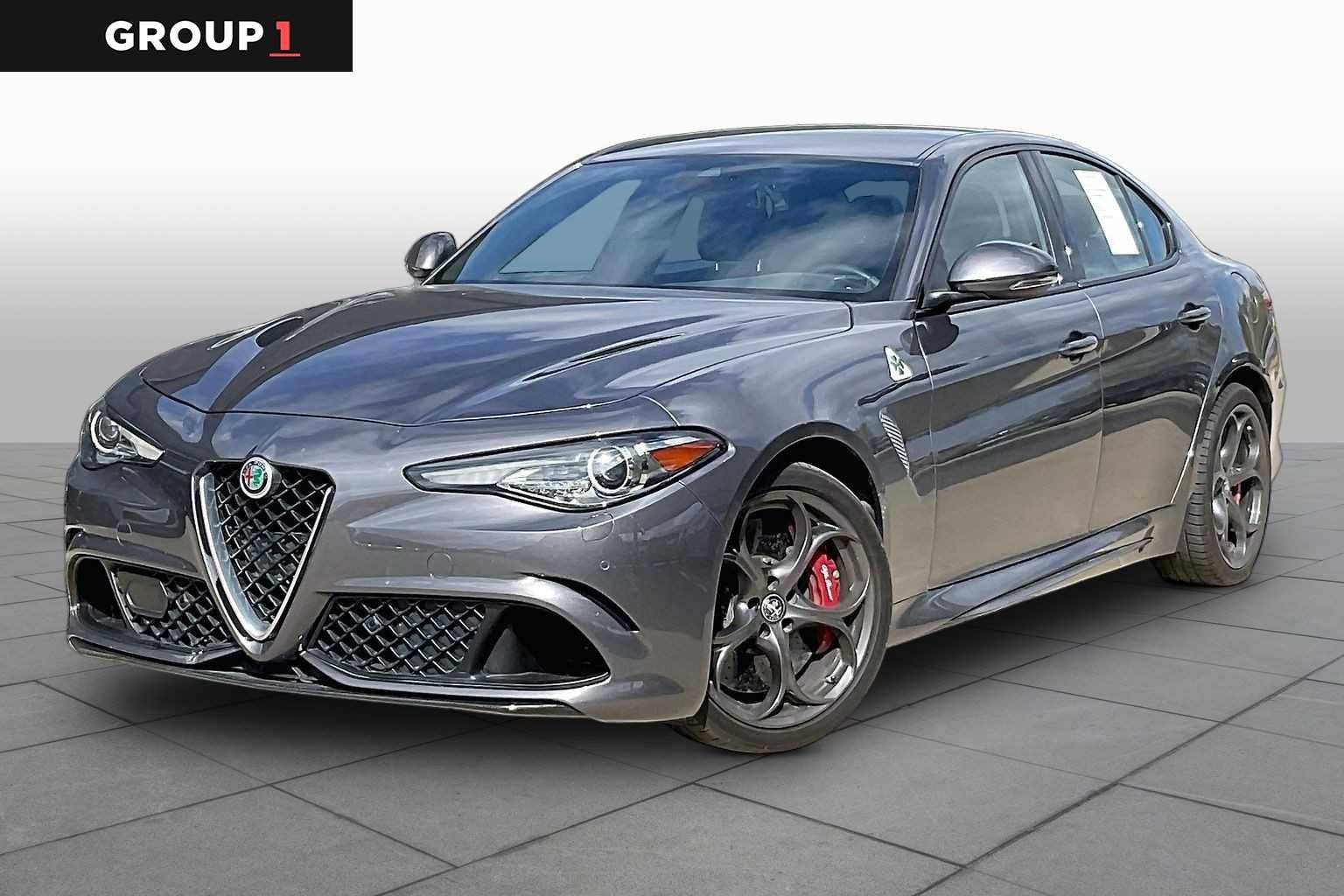
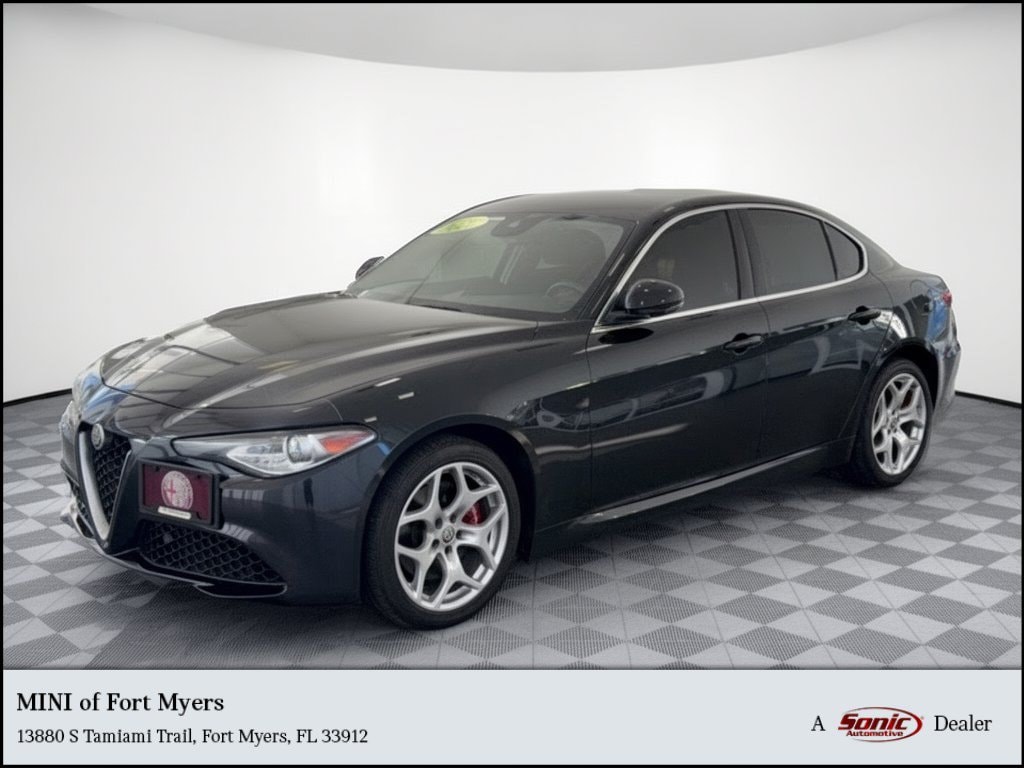
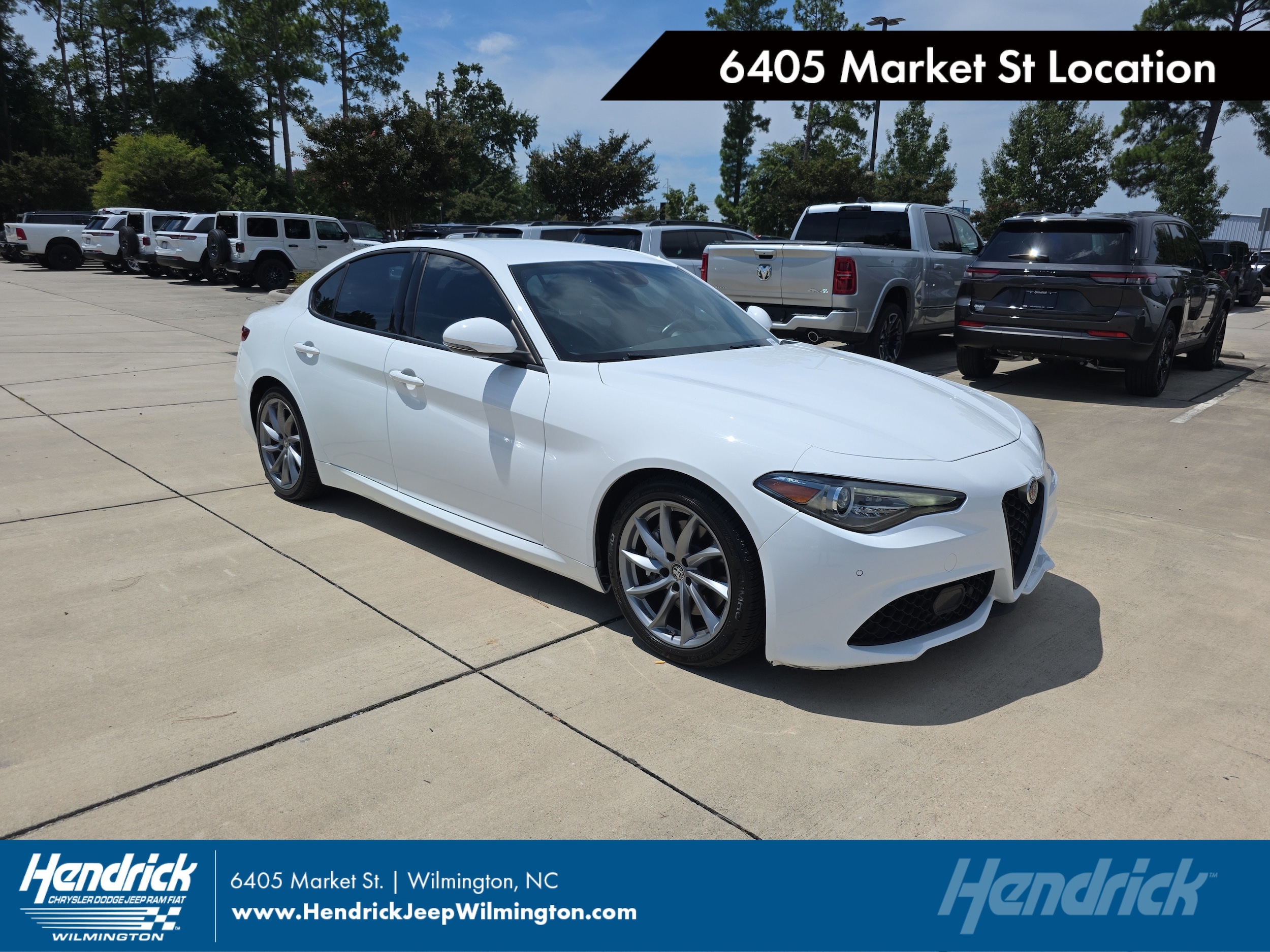
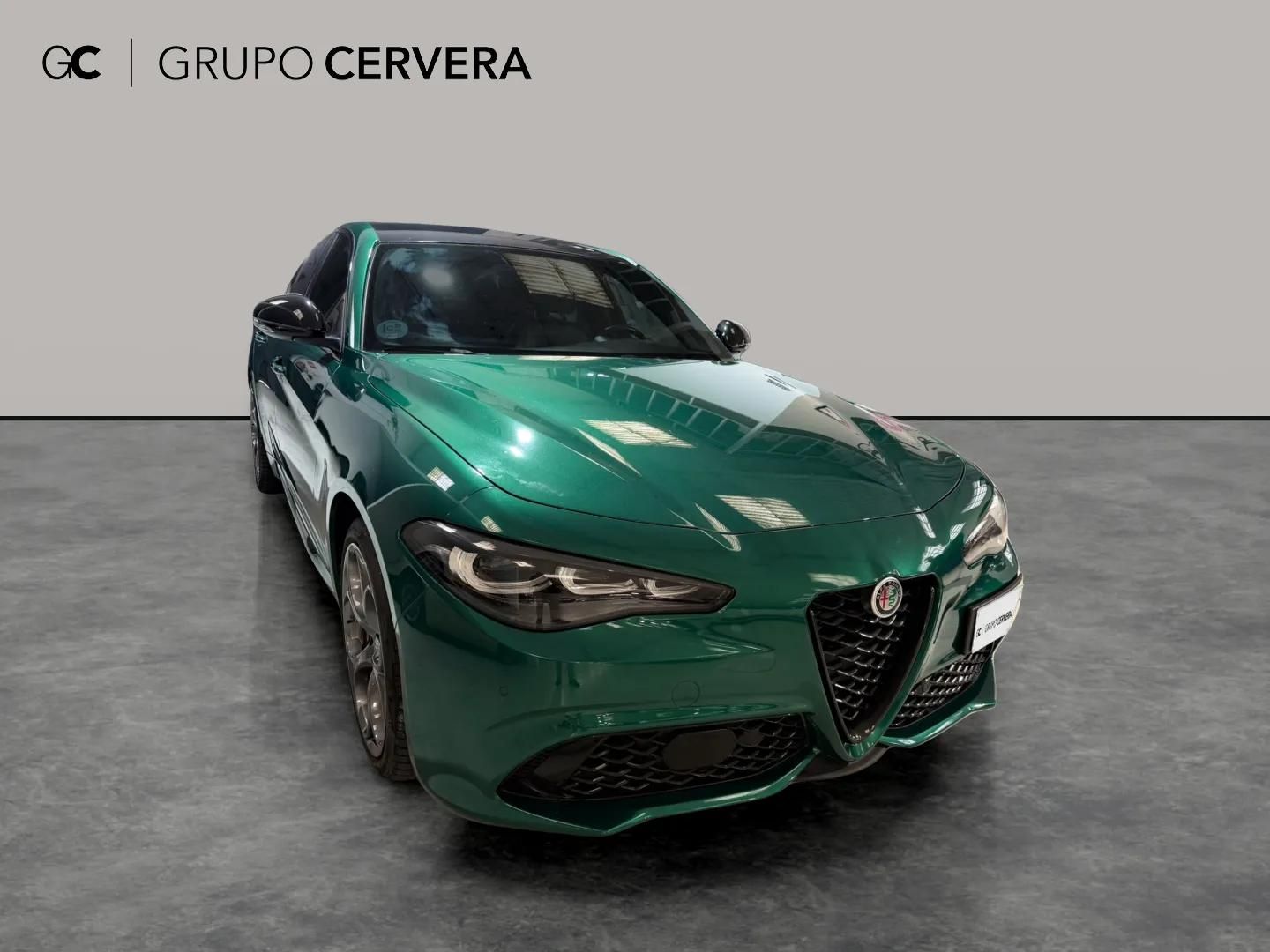
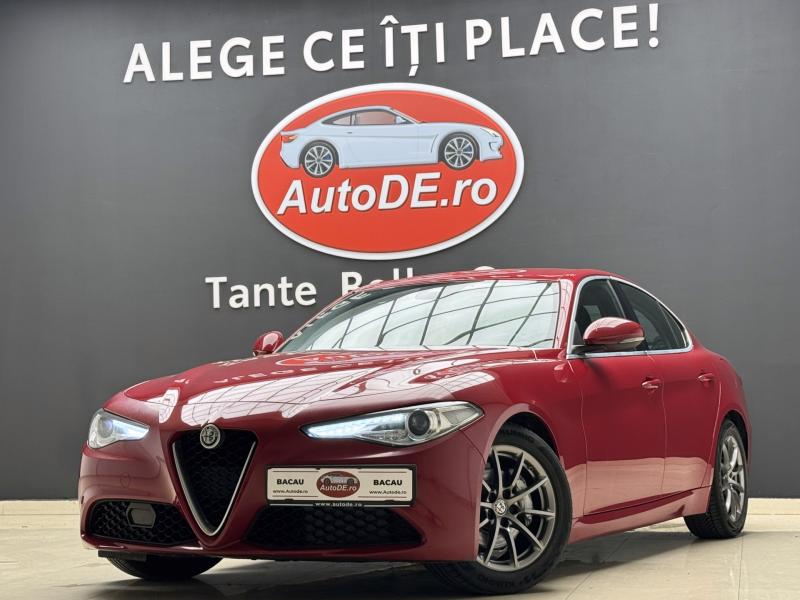
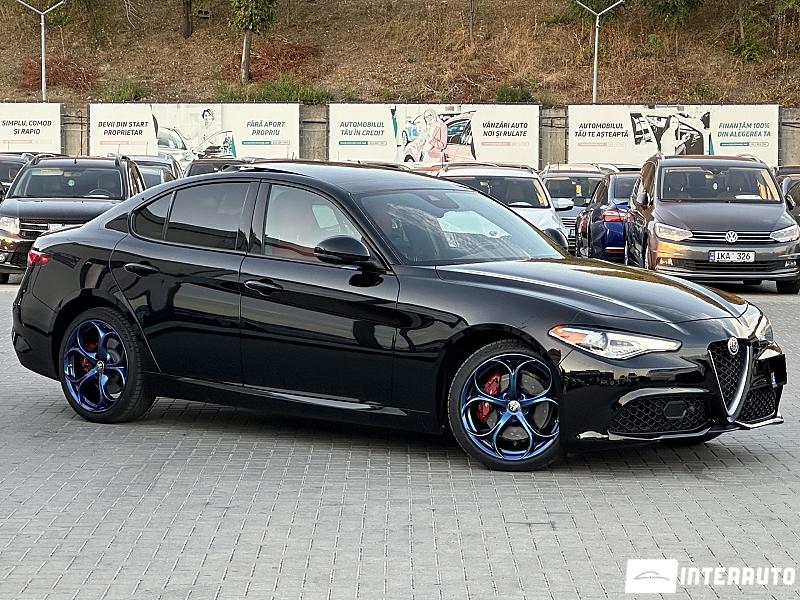
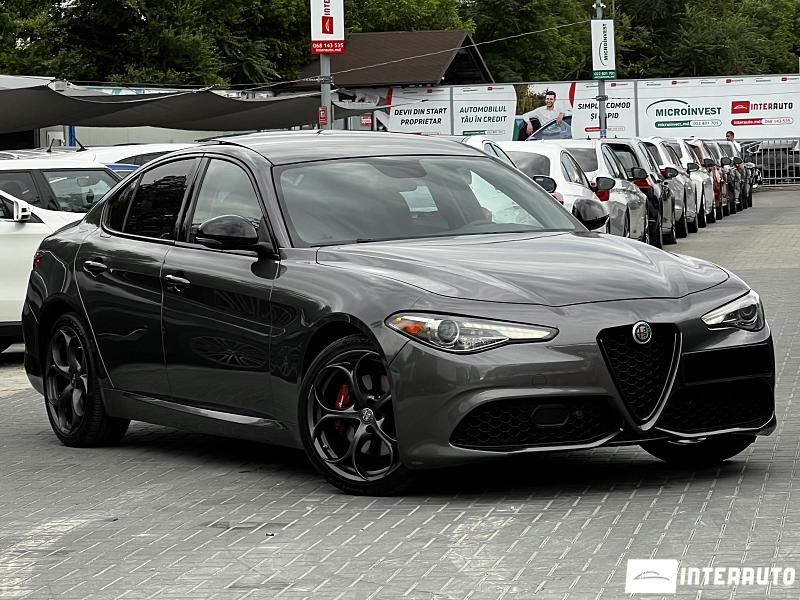
The Alfa Romeo Giulia is a compact luxury sedan that attracts drivers with its Italian styling, engaging handling, and a choice of powerful engines. If you are considering purchasing a Giulia, you’ll want to assess the different generations, body styles, and trim levels that Europe, the United States, and other markets commonly offer. This guide focuses on practical questions buyers and sellers ask—reliability, performance, and what to look for in an Alfa Romeo Giulia based on year, mileage, and configuration.
The Giulia stands out for its driving dynamics and distinctive design. For buyers, it’s important to know which engine suits your needs: the Turbocharged variants deliver strong performance, while the more economical models emphasize comfort for daily commuting. When you compare models, consider mileage, maintenance history, and whether the car has been kept as a daily driver or a weekend pleasure vehicle. Pros include sharp steering, balanced suspension, and an interior that emphasizes driver focus. Cons may include maintenance costs and parts availability depending on the region.
When evaluating price segments, mileage is a key factor. A Giulia with lower mileage, clean service history, and a recent major service often commands a higher resale value. Certified pre-owned options may carry extended warranties, which can ease ownership costs. In many markets, color, trim level, and equipment (navigation, premium audio, advanced safety features) also influence price. Compare similar examples by year, mileage, and condition to understand market expectations.
Whether you are eyeing a late-gen Giulia with modern infotainment or a well-kept earlier model for daily use, understanding the factors above will help you choose confidently and negotiate a fair price. With the right checks and a clear sense of your priorities—performance, comfort, or efficiency—you can find a Giul ia that suits your needs and your budget.
 Add as preferred sourceSee more from zvelta in Google Search Add as preferred source