 EN
ENDEALER
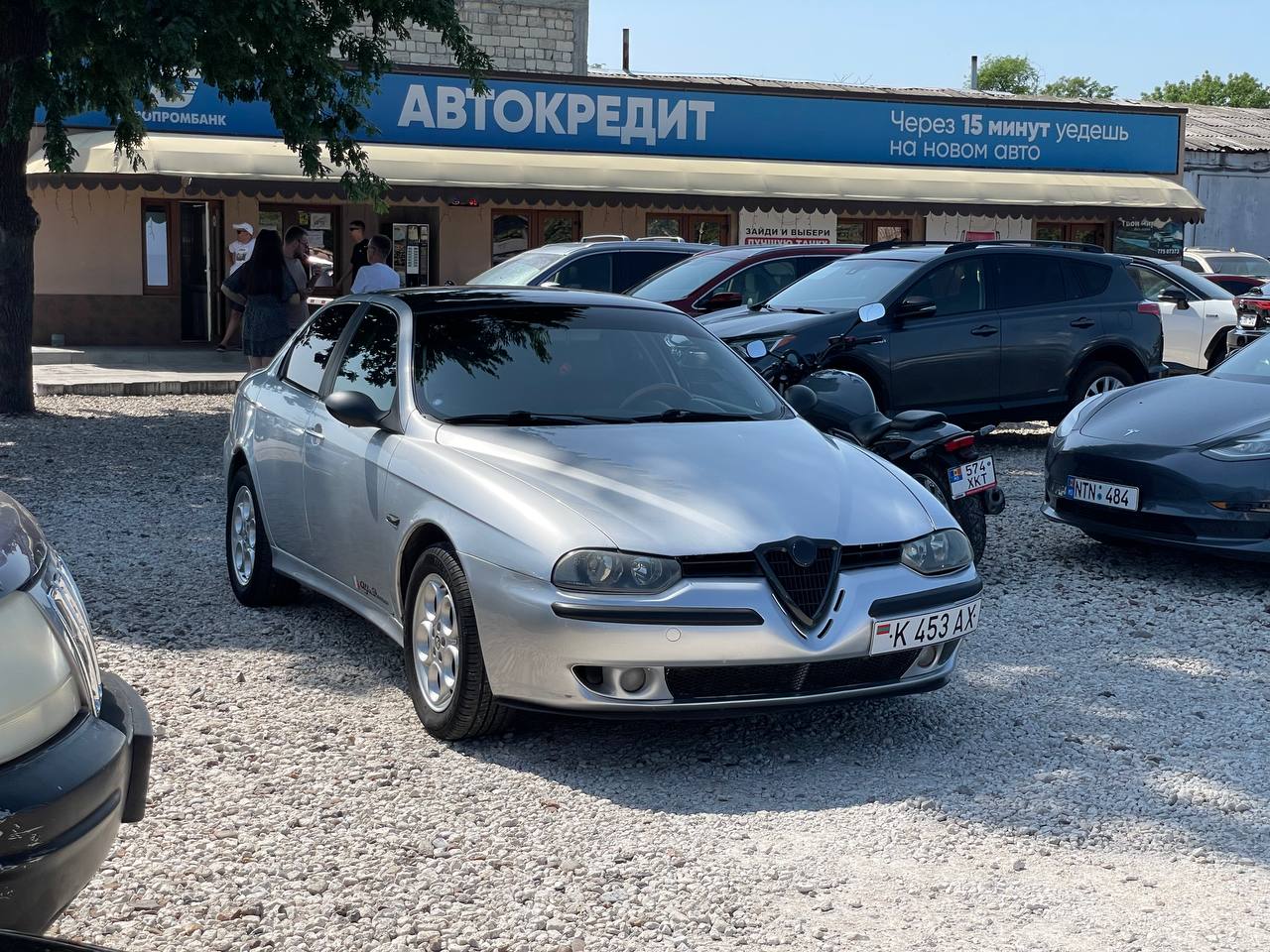
1.999 US$DEALER
1998, gasoline, manual, 285K km, sedan, Front Wheels Drive, 1,800 cm3, silver

UsAuto.md
 Tiraspol, Moldova
 Tiraspol, Moldova
The Alfa Romeo 156 has long been a favorite for drivers who want a stylish sedan with engaging driving dynamics. If you’re considering buying an Alfa Romeo 156, understanding the key generations, engines, body styles, and regional pricing can help you choose a car that suits your needs in your city. This guide walks through what to look for, how to compare options, and practical steps for buying or selling this classic model.
The 156 appeared in several generations, each with distinct traits. Early 156s often featured reliable but aging interiors and the well-regarded Twin Spark engine. Later variants improved ride quality and braking, but may carry higher mileage. When evaluating a 156, focus on:
Engine choice matters for daily use and long-term reliability. Common options include reliable gasoline engines with lively performance and diesel variants for higher mileage or longer highway trips. Pros and cons to consider:
When comparing prices in your country and city, also consider resale value. A well-documented service history and lower mileage often correlate with stronger resale in the Alfa Romeo 156 market.
Price ranges for Alfa Romeo 156s vary by year, mileage, and condition. Look for:
In major cities you may find a mix of well-preserved examples and cars needing some work. Be prepared to negotiate based on the car’s overall condition and the market in your area.
If you’re selling a 156, present clear service history, several recent photos, and a transparent description of known issues. For buyers, bring a trusted mechanic for a pre-purchase inspection, and use a checklist to verify engine health, transmission smoothness, brake condition, and wheel alignment.
Whether you’re seeking a stylish weekend car or a practical daily driver in your city, the Alfa Romeo 156 can be a compelling choice when you evaluate generation, engine, and condition carefully.
 Add as preferred sourceSee more from zvelta in Google Search Add as preferred source