 EN
ENDEALER
18.459 US$
18.420 US$

AutoHus.de
 Germany, Lower Saxony
27 September 2026
 Germany, Lower Saxony
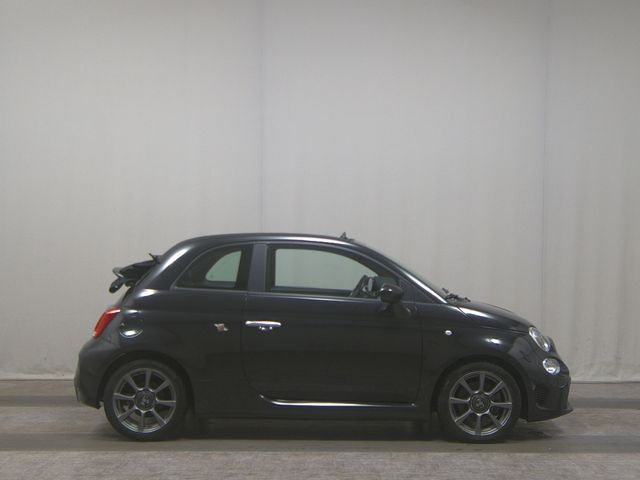
The Abarth 500C is a compact roadster that appeals to drivers who want a sporty feel in a small, city-friendly package. If you are considering buying or selling an Abarth 500C, especially in a market where this model remains popular among enthusiasts, it helps to understand the key details that influence price, reliability, and overall ownership experience. This article covers what to look for across generations, common fuel options, body types, and how to compare different configurations in cities and countries where the car is commonly seen on the road.
The 500C lineage focuses on a convertible body style with a compact footprint. When evaluating options, consider the year and mileage, as these factors have a strong impact on price and maintenance needs. Look for descriptions that mention the cabriolet roof operation, engine displacement, and trim levels. Common configurations include the base 1.4-liter turbocharged engine variants, which balance performance with efficiency, and sportier trims that emphasize handling and sound. Buyers often seek models with low mileage, clean maintenance records, and an undamaged soft top or roof mechanism.
For sellers, honesty about the vehicle’s condition is essential. Provide the service history, any weather-related wear on the soft top, tire wear, and recent maintenance such as brake work, clutch replacement, or timing belt/chain checks if applicable. Clear photos of the exterior, interior, roof seals, and undercarriage help build trust with potential buyers.
Prices for the Abarth 500C can vary by country and city, reflecting local demand and supply. When researching, compare models by year, mileage, and documented upkeep. A higher-mileage example in a region with high demand may still hold value if it has a strong service history and minimal rust or corrosion. Conversely, low-mileage units in markets with limited availability can command a premium.
Fuel choice matters for running costs and performance. The turbocharged engines in many 500Cs offer a balance of lively acceleration and reasonable fuel economy, but fuel efficiency can be affected by driving style and maintenance. If you plan frequent city trips, confirm the car’s transmission type and clutch condition, as these drive the overall ownership experience.
In summary, whether you are buying or selling an Abarth 500C, focusing on mileage, maintenance history, and the roof condition will help you align expectations with market reality. This approach helps you compare similar models across generations and configurations, ensuring you make a smart choice or a confident sale in your local market.
 Add as preferred source