 EN
EN


Frequently asked questions
The plan would lower the mandatory average target for passenger cars and light trucks to about 6.8 l/100 km by 2031, compared with the previous target of 4.7–4.8 l/100 km.
The authorities claim that looser requirements could reduce new-car prices. The article says the changes would also make it easier for automakers to produce and sell conventional gasoline and diesel vehicles for longer.
The article says the lower standards may encourage automakers to revive body styles that have nearly vanished, such as family station wagons.
US rolls back strict fuel economy requirements for cars
The administration of Donald Trump announced plans to significantly loosen the fuel-efficiency standards set by the previous president, Joe Biden.
The new plan foresees a lower mandatory average fuel-efficiency target for passenger cars and light trucks: the goal is about 6.8 l/100 km by 2031 instead of the previous 4.7–4.8 l/100 km.
What will change
The new rules sharply reduce fuel-efficiency requirements — this will make it easier for automakers to produce vehicles with conventional gasoline and diesel engines.
Authorities claim this will lower the price of new cars and make them more affordable for buyers.
Auto industry reaction and outlook
Many automakers have already welcomed the changes — for them it means lower production costs and the ability to sell traditional vehicles for longer without additional modifications.
However, experts and environmentalists warn that such a policy may lead to higher fuel consumption, increased CO₂ emissions, and weaker incentives to switch to electric vehicles.
What to expect in the coming years
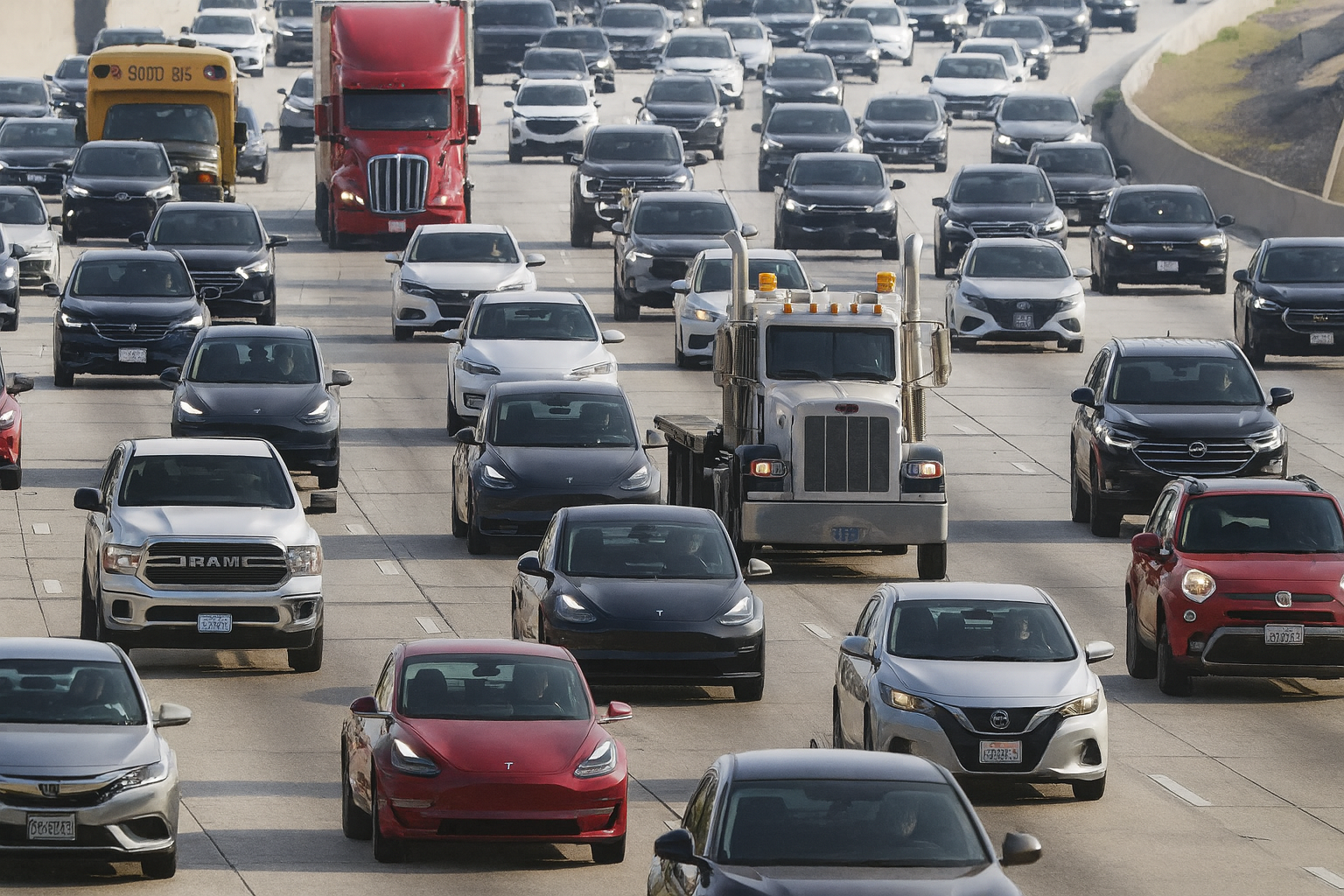
If the new standards are adopted permanently, ICE cars may become cheaper to buy initially, but fuel will likely cost more over time. The easing of rules could also slow the development of the electric vehicle market and climate-protection efforts, especially as other countries continue to tighten environmental requirements.
Additional: a possible return of old models
Under the new US proposal, the reduction of standards may give automakers an incentive to revive vehicle body styles that have nearly vanished — for example, family station wagons, whose production declined after standards were tightened.