EN
EN


Frequently asked questions
An even body, shiny paint, and a well-kept interior may suggest that the previous owner was neat and inclined to order. A messy interior, worn parts, and damaged trim may indicate someone who treated the car mainly as transportation and overlooked minor faults.
Smooth responses, gentle gear changes, and predictable suspension may indicate steady driving. Nervous throttle reactions, slipping, delayed shifts, or sharp engine responses can indicate more impulsive driving. Hard suspension knocks may be associated with driving over potholes without slowing or frequently mounting curbs.
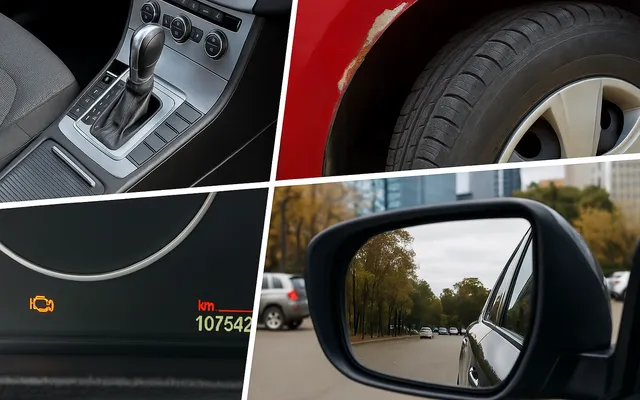
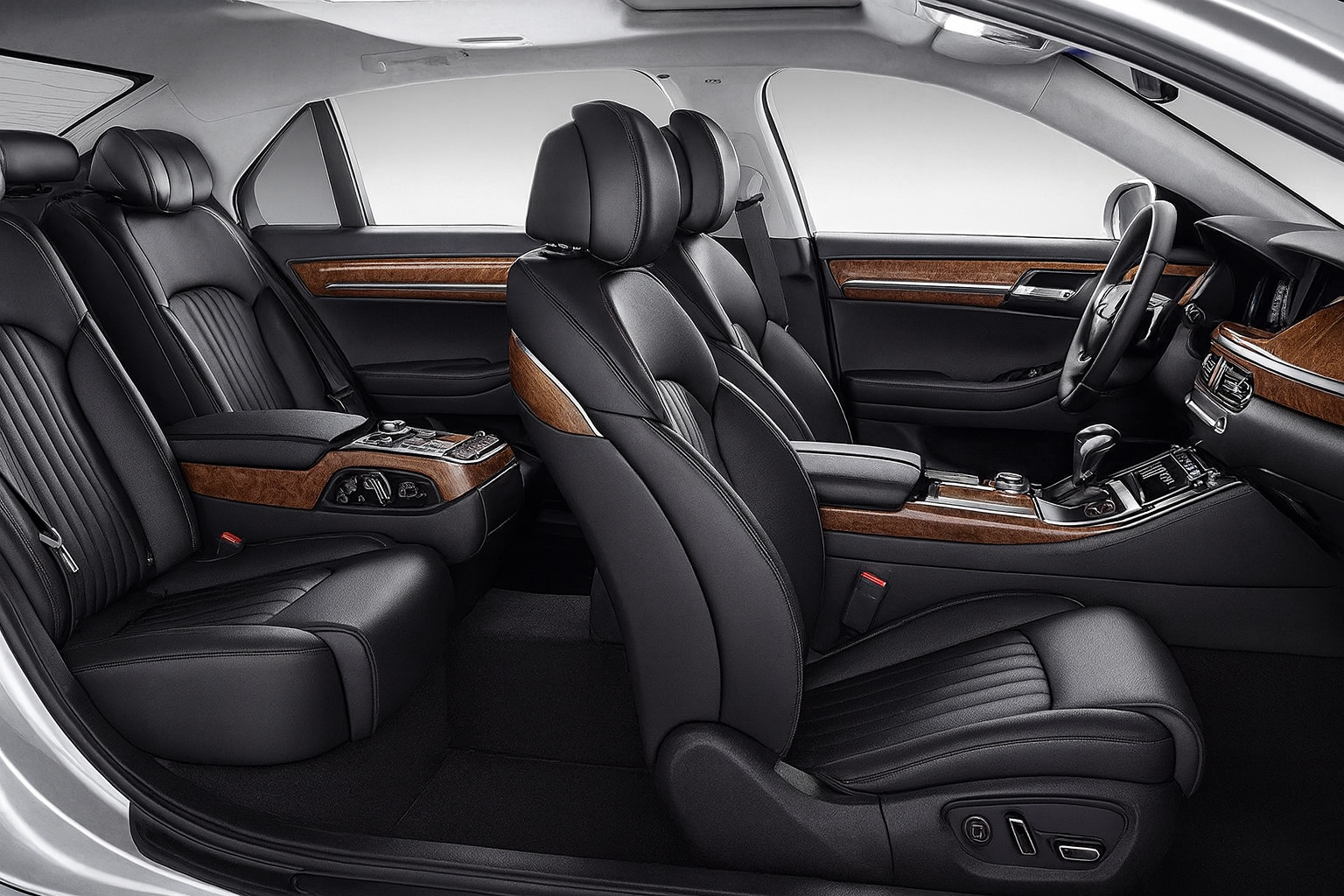
Clean upholstery and undamaged trim may suggest respectful treatment. Worn seat bolsters can indicate abrupt entry and exit, while steering-wheel wear may reflect high daily mileage or tense driving. Tobacco smells may signal smoking in the car, and strong chemical air fresheners may have been used to mask spills or quickly refresh the interior.
Every car has its own character. This shows not only in construction, performance or brand, but also in how it was treated before you. Sometimes a few drives are enough to understand: the previous owner was careful, calm, nervous, hurried, or indifferent. Cars, like pets, adopt their owner's lifestyle. They retain traces of habits, moods, attitudes to order and even driving style. Observant people can read these “habits” and form a fairly accurate psychological portrait of the previous owner.
Owners rarely think that a car is a kind of carrier of everyday information. But details speak louder than they seem. The steering wheel, pedals, gear lever, smell, condition of the seats, suspension noises — all these are small markers that add up to a complete picture. The more carefully you listen and look, the clearer it becomes what kind of person drove this car before you.
The way a car was maintained as a reflection of personality
The condition of the body, interior and mechanical components often tells more about the owner than any documents. Some owners treat their car as carefully as a pet: they clean it regularly, avoid chips, and change consumables on time. Others see the car merely as a tool, paying little attention to small details.
The nature of maintenance is visible from the first meeting with the car. If the body is even, the paint shines, and the interior looks cared for by an invisible hand — most likely the previous owner was neat, pedantic, and inclined to order. Such people usually follow service schedules and rarely skip maintenance. The car becomes an extension of their drive for system and routine.
If the interior feels messy, parts are worn, and trim is rubbed down to the plastic — you're looking at the history of someone who lives in a hurry and views the car as a way to get from point A to B. Often such owners don't notice minor faults and adapt to them as a habit.
On-road behavior as an indicator of past treatment
A car retains traces of the previous owner's driving style. Sometimes this is noticeable in the first minutes of driving. A car driven by a calm person responds smoothly, without jerks, shifts gears gently, and the suspension works predictably. Everything is balanced because it was used to steady driving.
If the car reacts nervously to the throttle, slips, the gearbox hesitates before shifting, or the engine responds with a sharp lurch — that can indicate an impulsive, temperamental former owner. In such cars, control units often adapt to aggressive behavior. Electronics are not magic but complex systems that remember the amplitude and frequency of accelerator presses, forming a habitual response.
The suspension can tell a lot too. Hard knocks and clunks are common in cars that weren’t given a break. Perhaps the owner drove over potholes without slowing down or frequently rode up on curbs. It’s a trace that the owner either didn’t bother with the car or simply didn’t notice road conditions.
Interior traces and what they mean
The interior is like the previous driver's personal diary. It preserves small characteristics of a person that you won't find in the vehicle documents.
If the driver's seat is neatly fitted, the leather isn't cracked, the plastic isn't scratched, and the upholstery is clean — the previous owner treated the car with respect. Such people often keep order at home as well.
Heavily worn side bolsters can indicate someone who sat down and exited the seat abruptly. Wear on the steering wheel suggests high daily mileage or a tense driving style where hands frequently change position.
Even the smell can be informative. The scent of tobacco usually signals a smoking owner or someone indifferent to the smell remaining in the car. A pleasant neutral odor points to discipline and cleanliness. Strong chemical air fresheners may be used to mask spilled liquids or a quick attempt to refresh the interior.
Small details that can explain a lot
Sometimes character shows in things many people don't notice. For example, someone who was often late might leave coffee sachets, fast-food receipts, or carelessly tossed items in door pockets.
If the trunk contains neatly arranged tools, spare fluids, a first-aid kit and a reflective vest — the previous owner was probably practical and valued order.
Presence of non-standard tuning can indicate either a creative person who likes individuality or an owner who paid more attention to appearance than to technical aspects.
Even the music style in radio presets often reflects the owner's personality. Calm stations point to a measured character. Energetic beats may belong to someone trying to compensate for routine.
How to read a car to better understand its past?
A car is always honest. It can't hide traces of care, the owner's attitude, or their emotional background. If you listen to engine sounds, feel the throttle response, and assess the condition of the interior and body, you can assemble a coherent picture of what kind of person used the car. This helps to quickly understand the car's traits, predict possible weak spots and find the right approach to future care.
Some buyers consider such observations trivial, but experienced motorists know: a car, like a pet, literally picks up everything from its owner — driving manner, life rhythm, habits and even mood.