 EN
ENDEALER
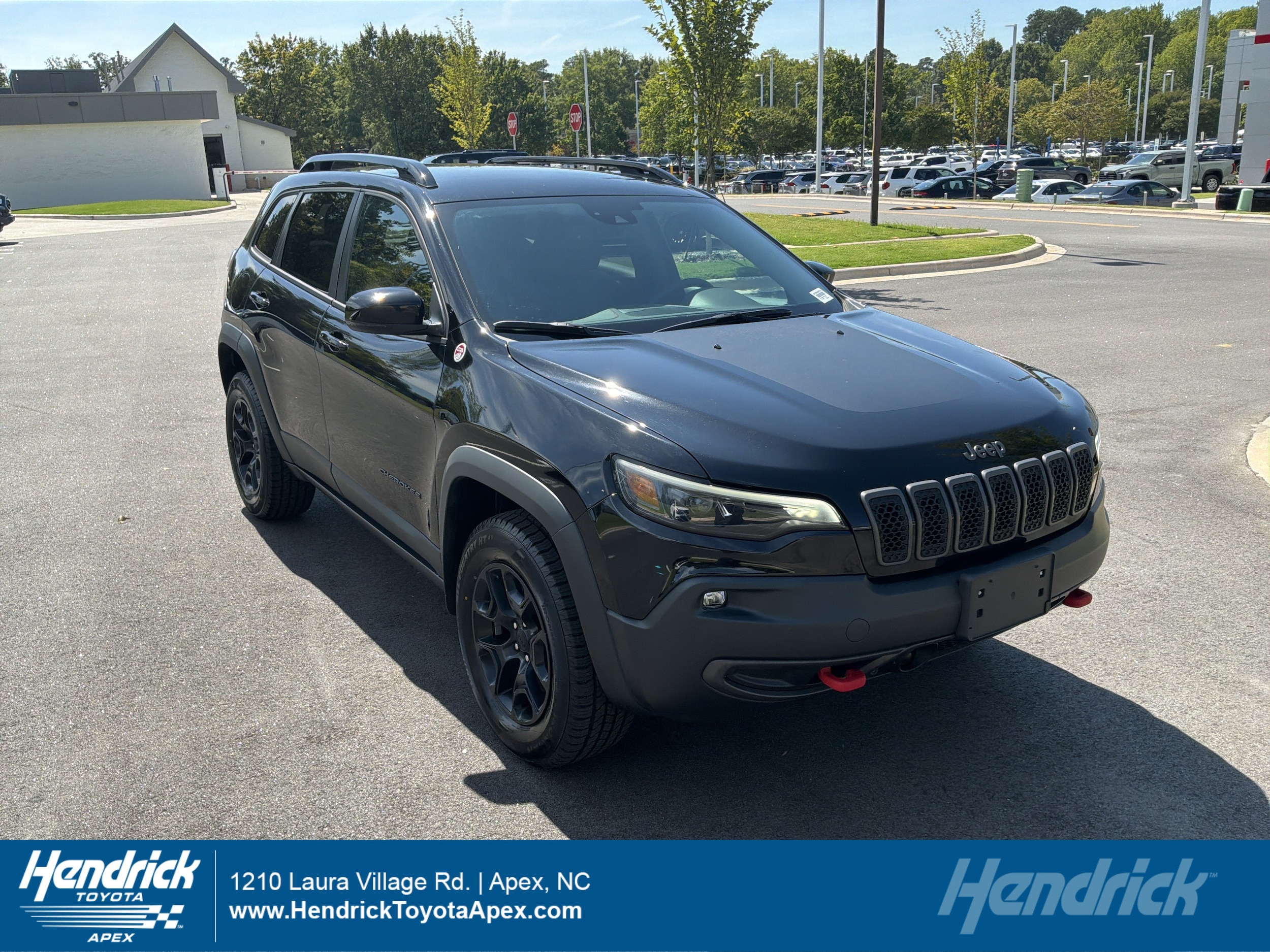
25.897 US$DEALER
26.487 US$
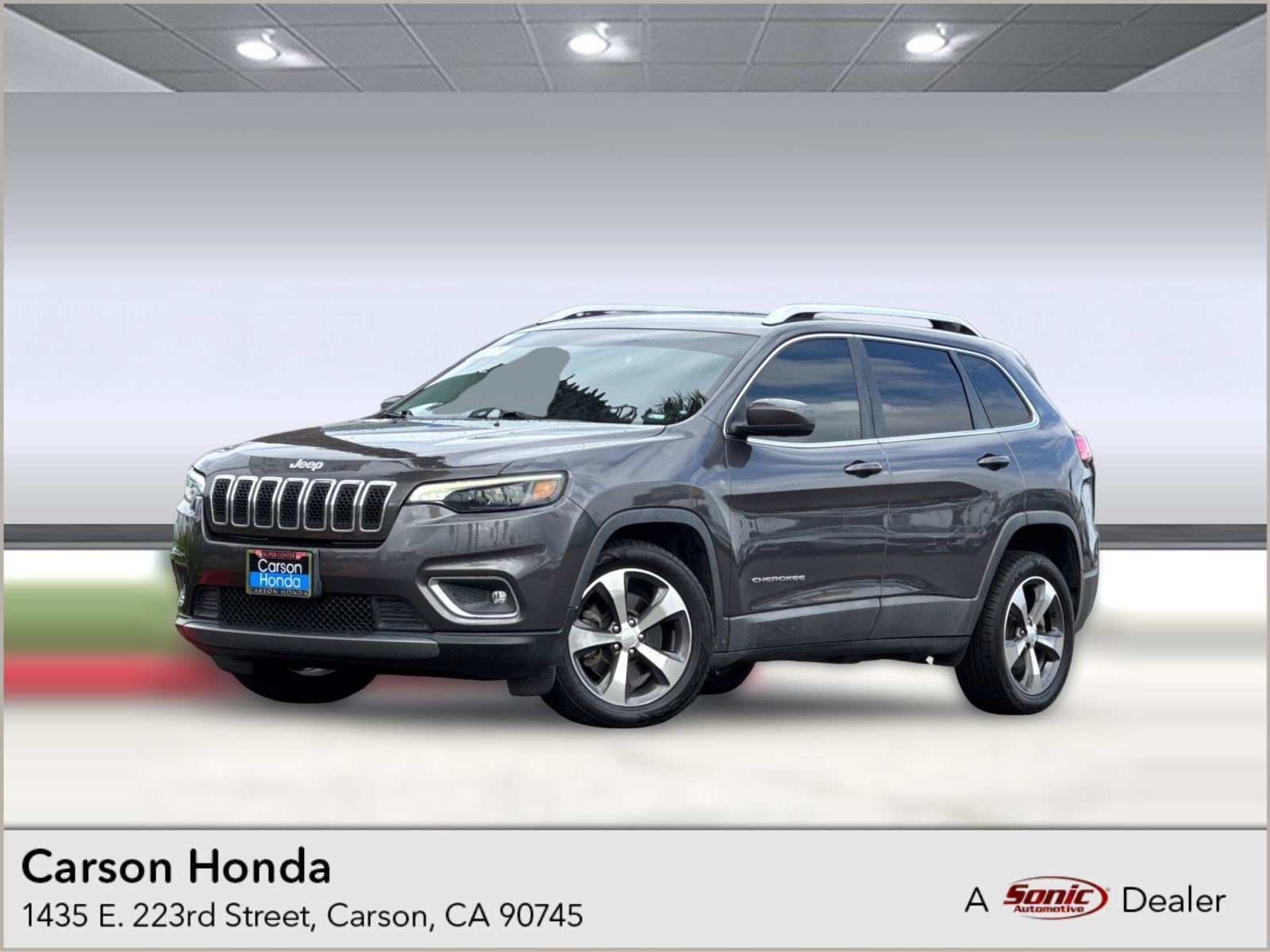
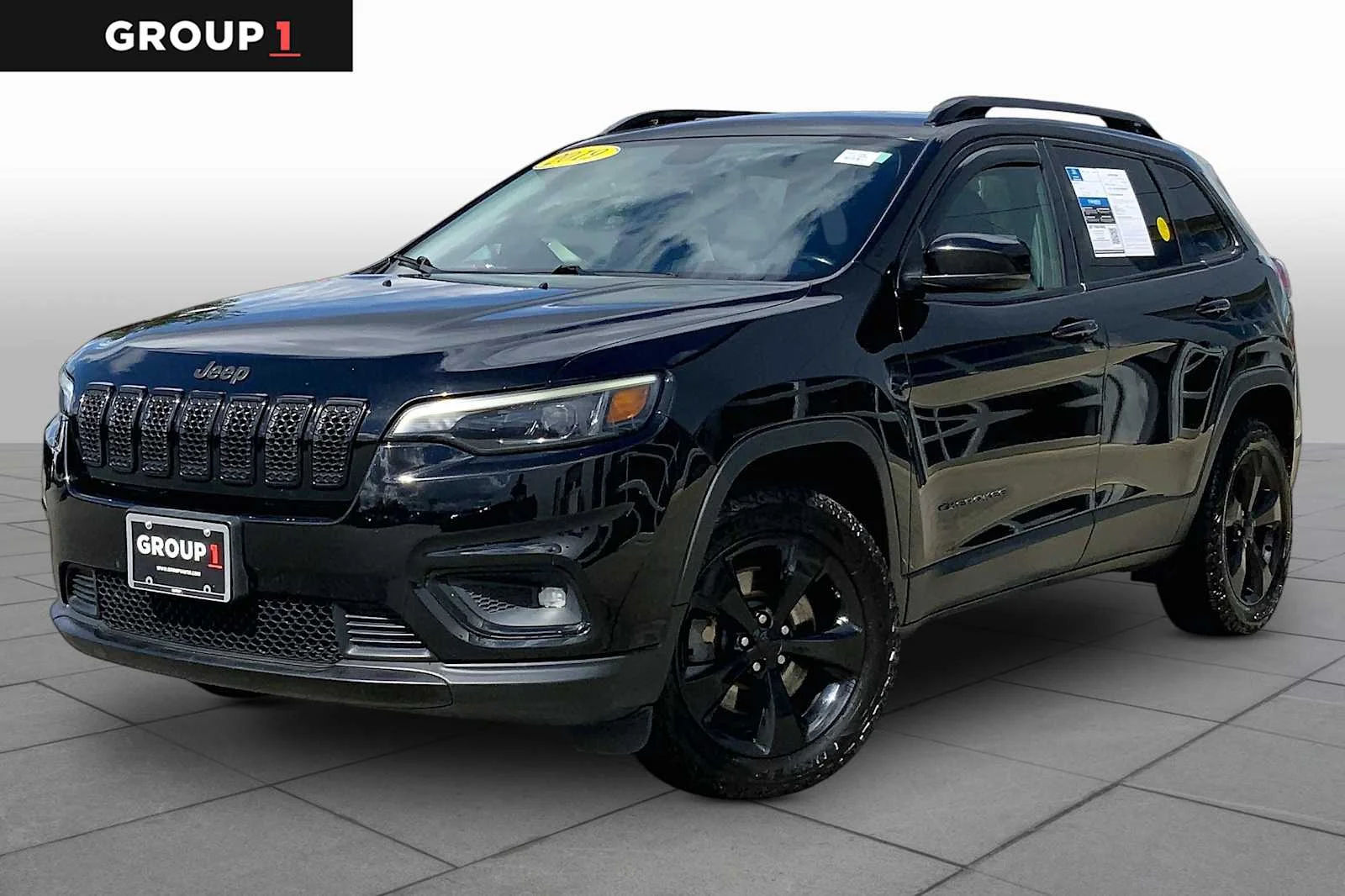
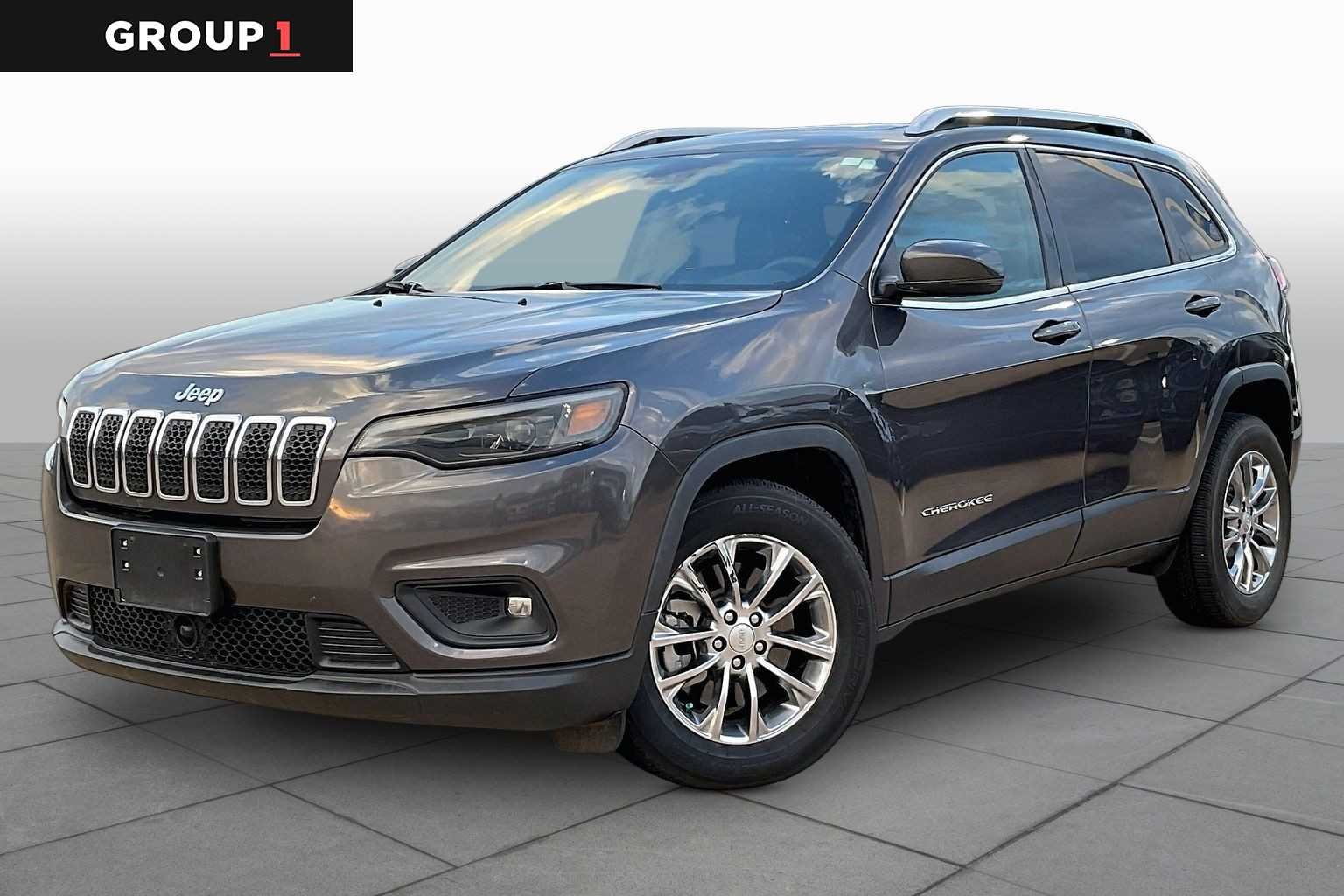
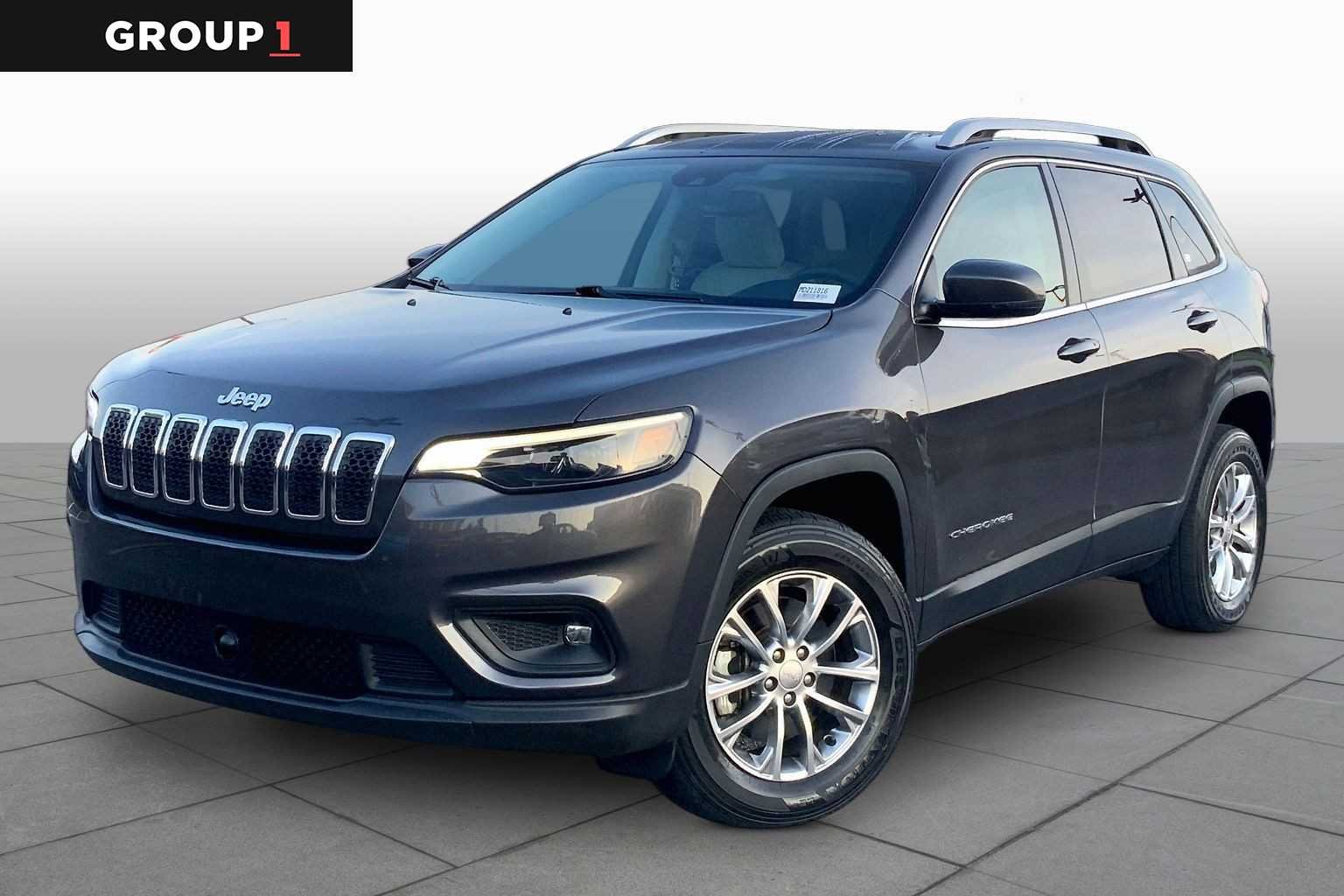
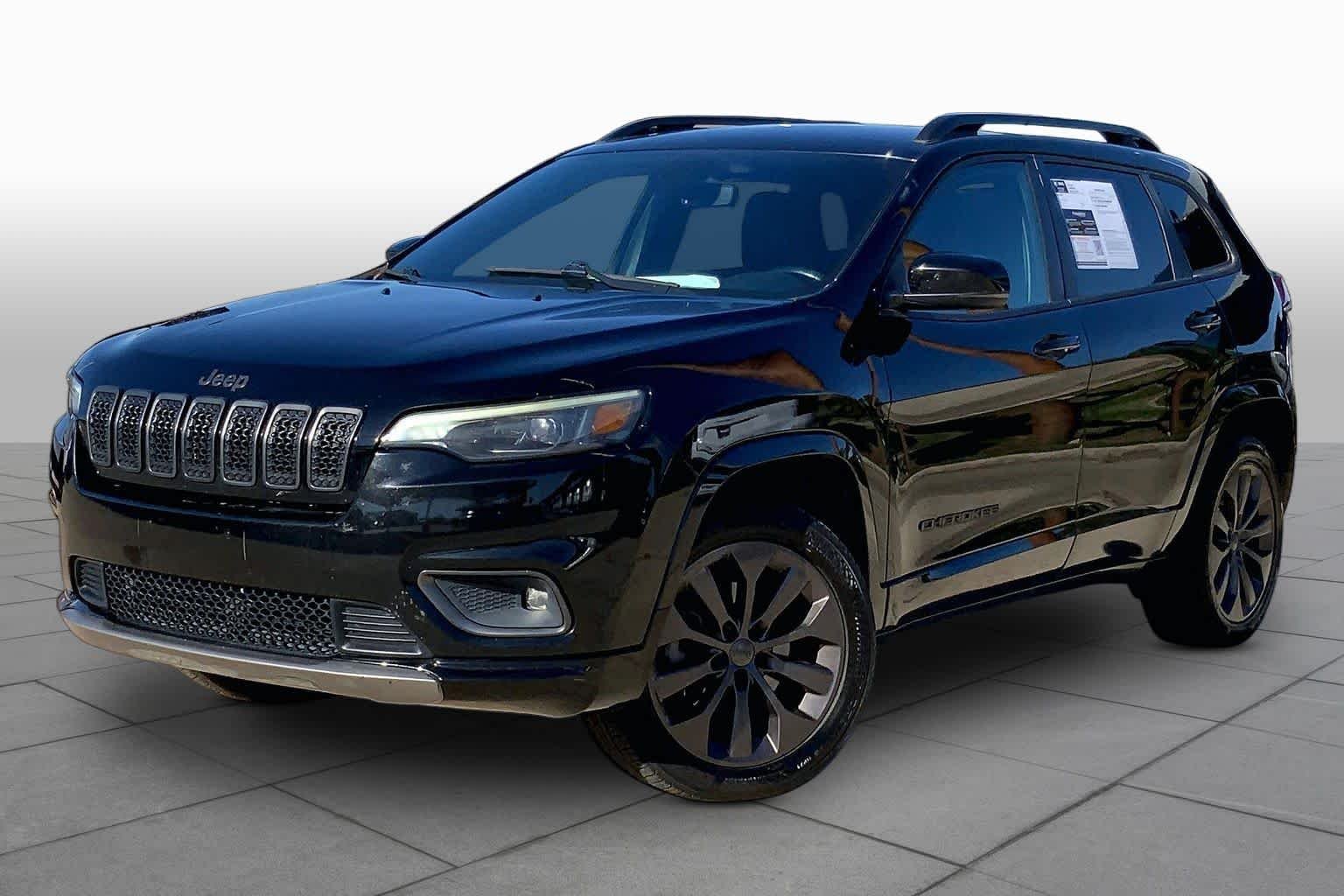
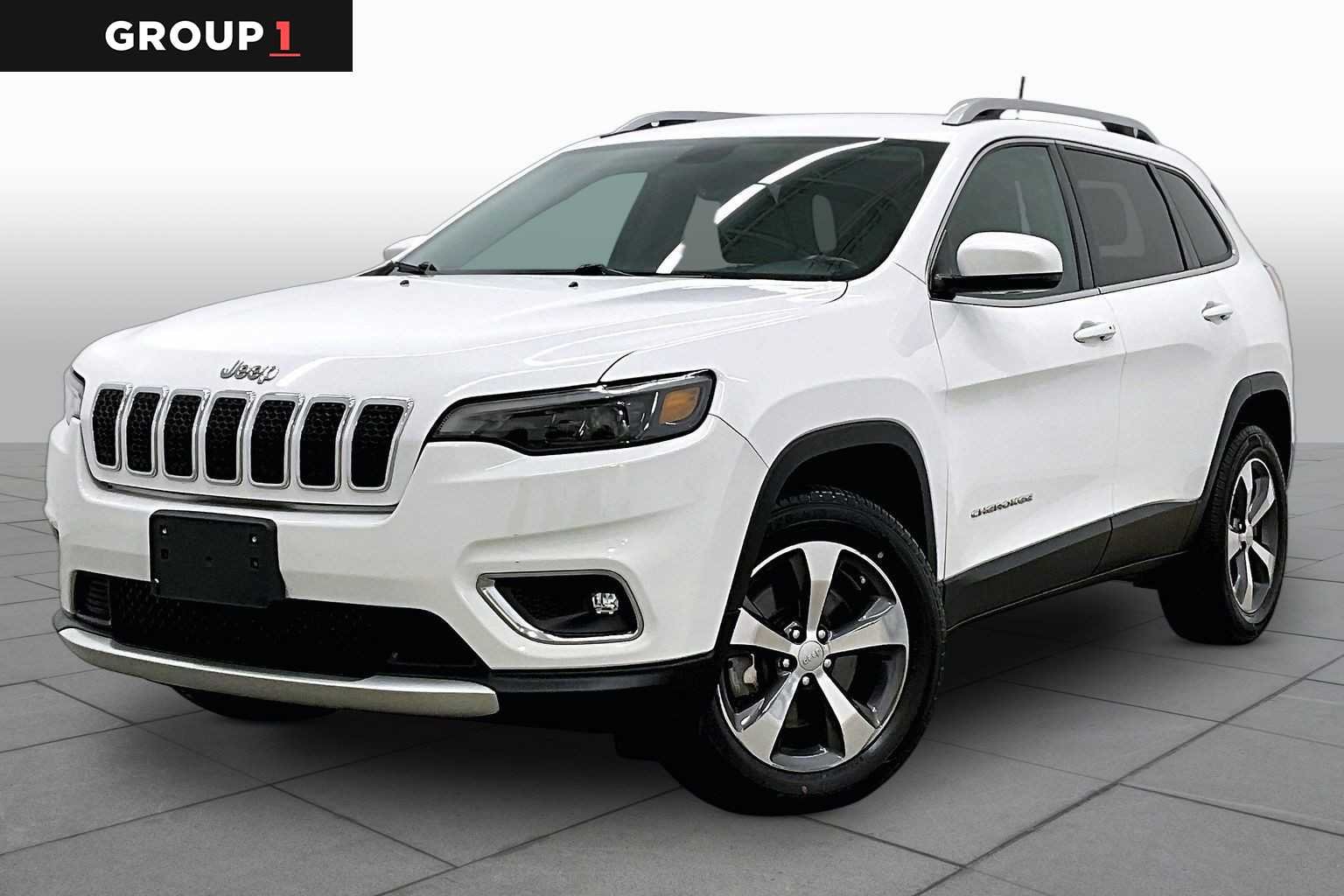
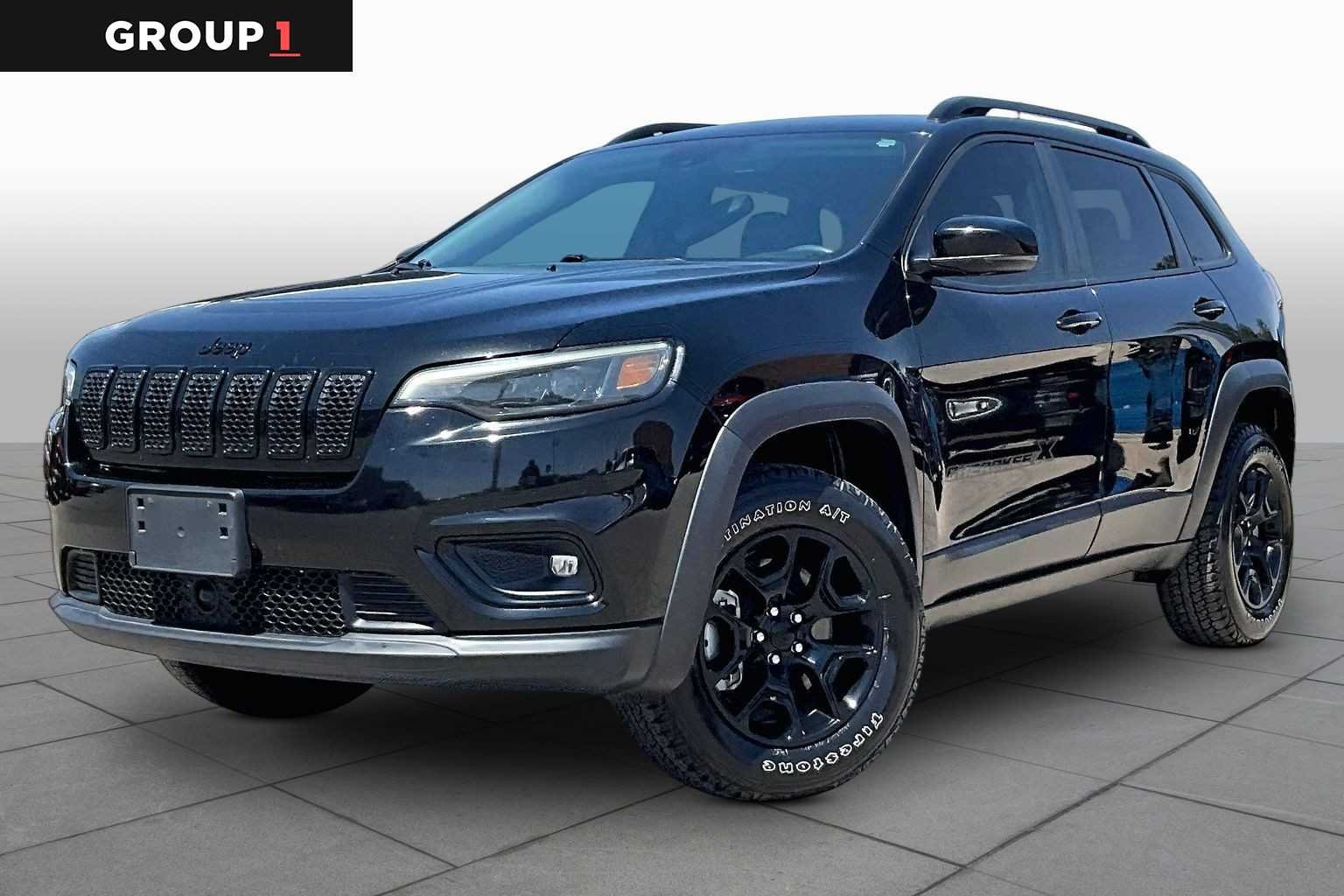
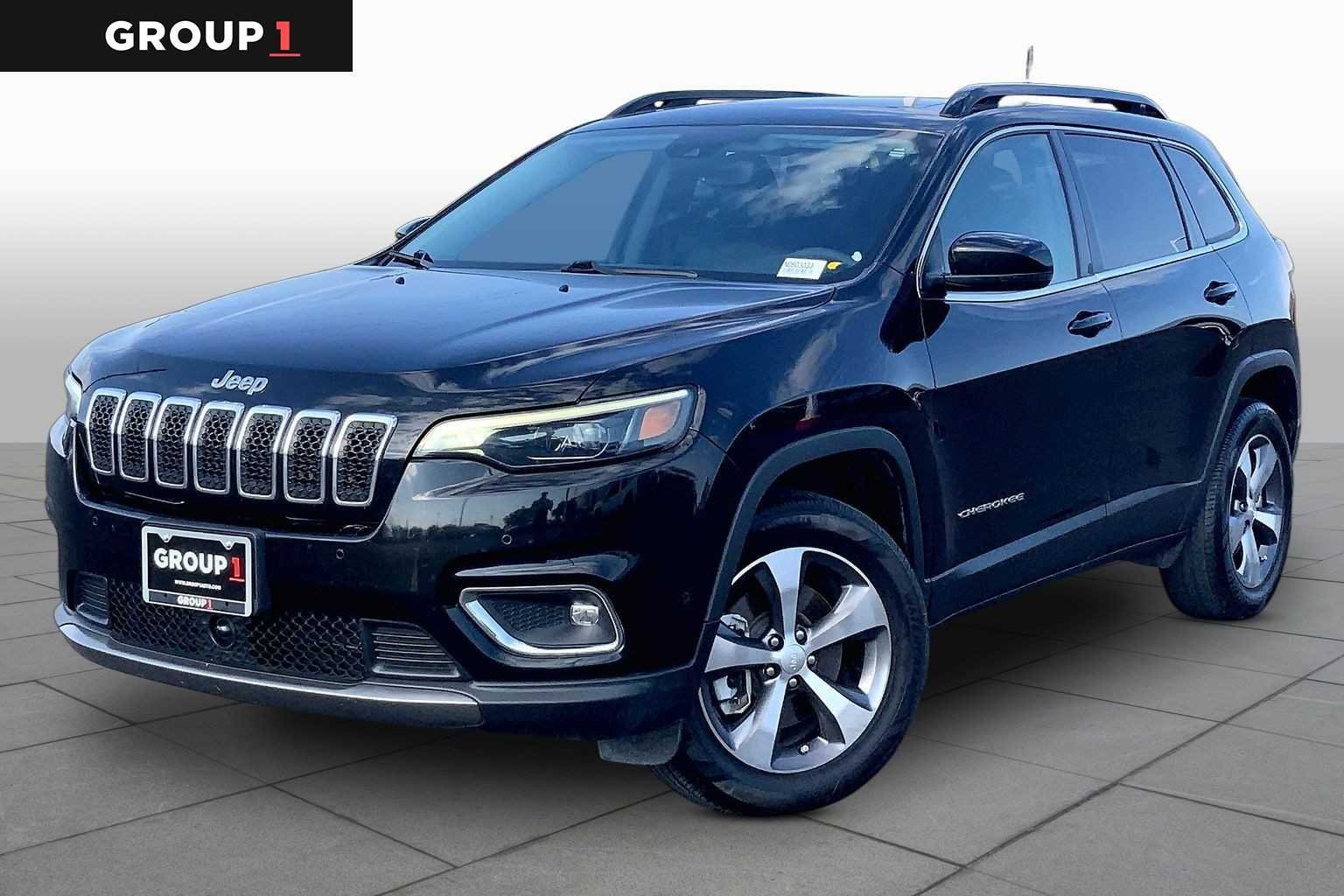
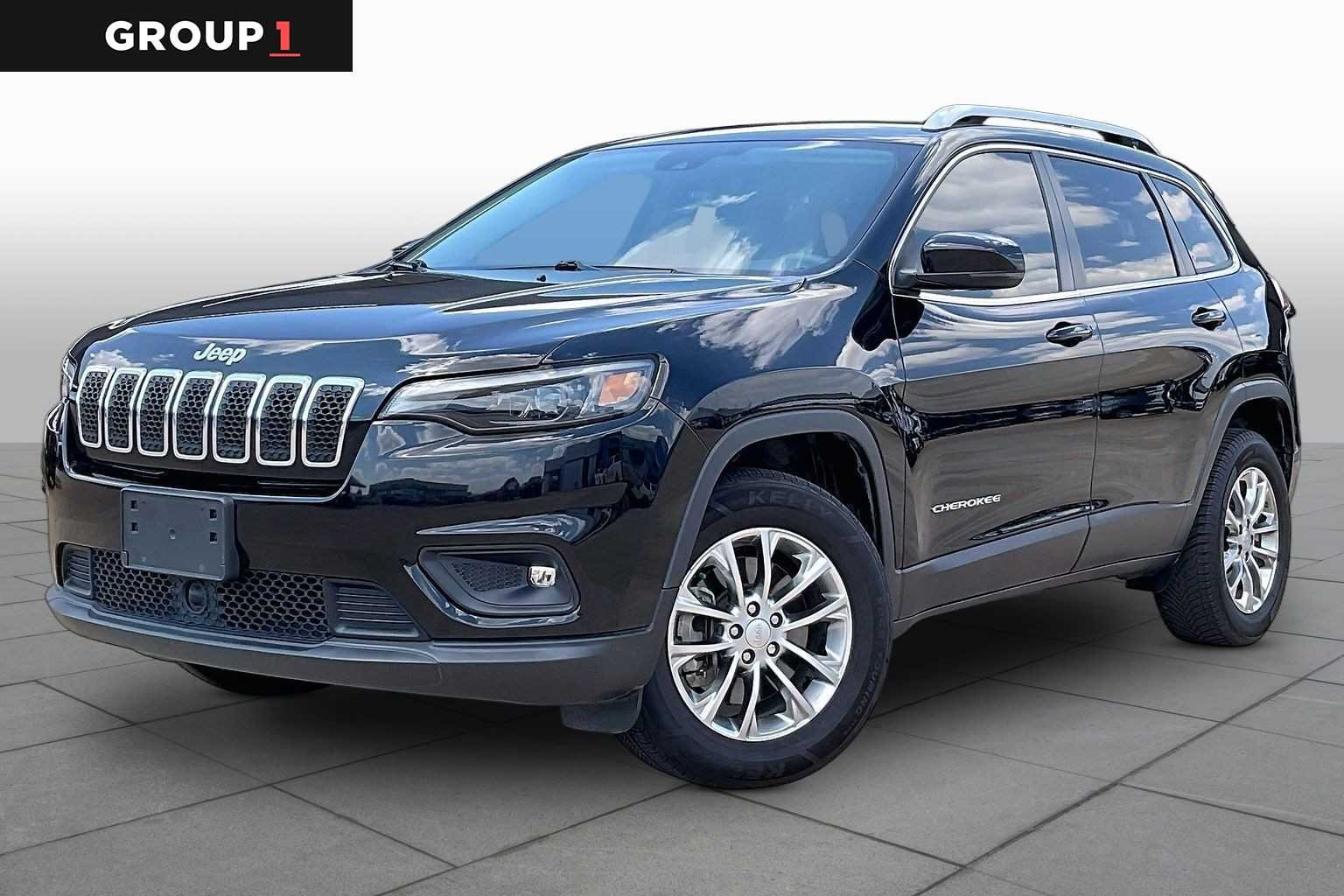
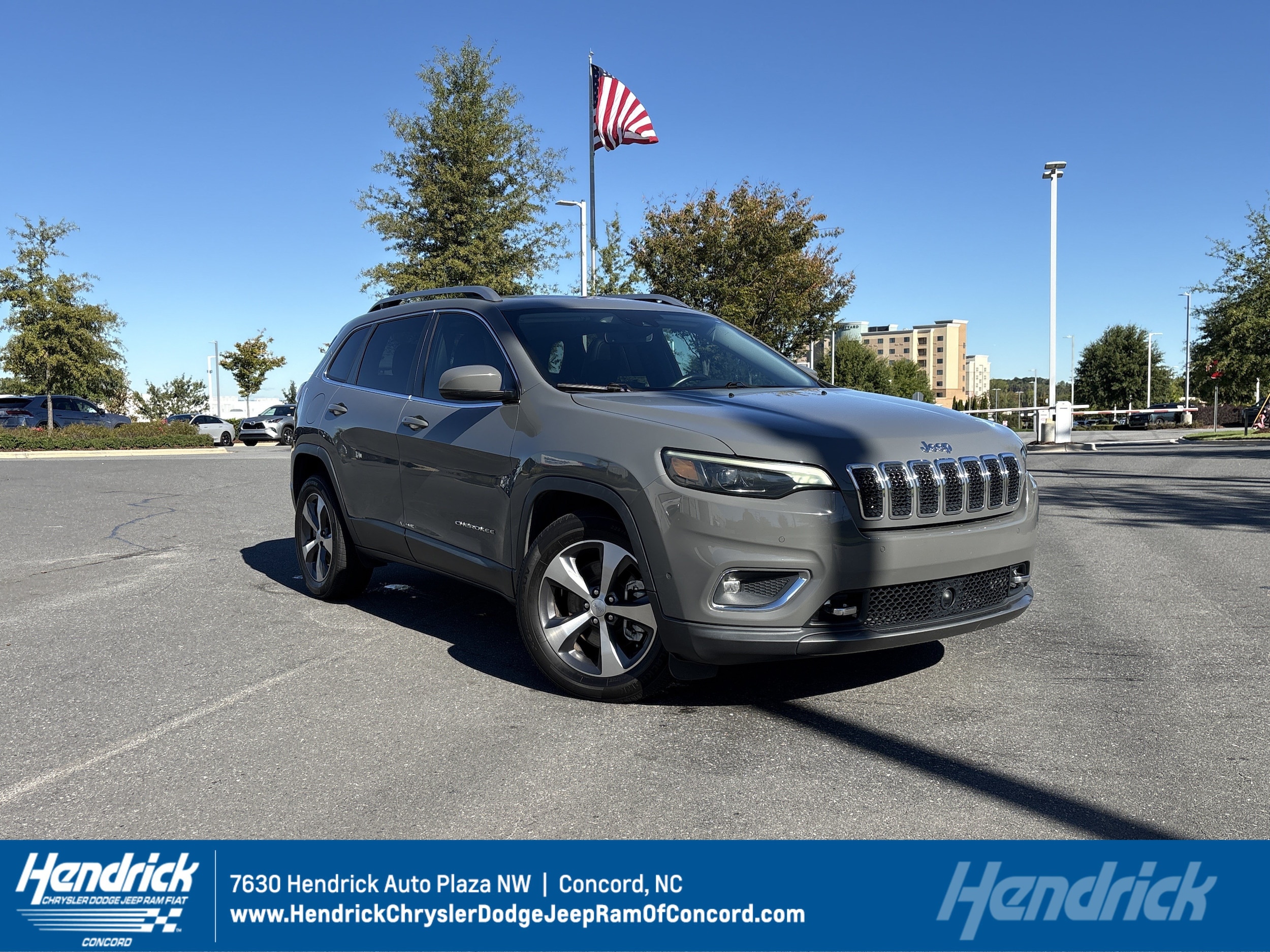
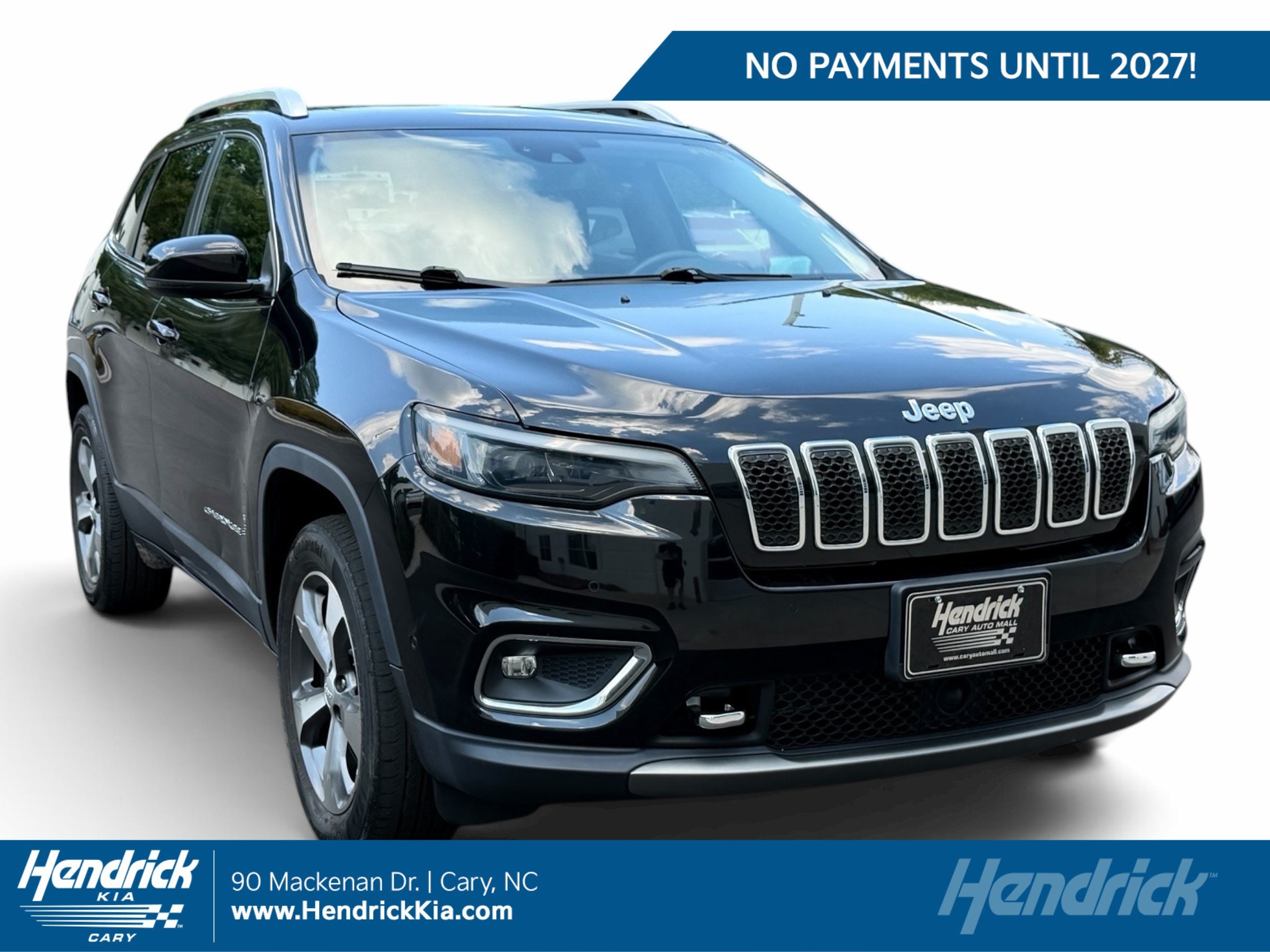
gasoline, automatic, 57K km, SUV, All Wheels Drive, 3,200 cm3, 271 hp, black, Used condition, USA, In stock

HendrickCars.com
 Apex, United States
 Apex, United StatesCarson, United States
 Boston, United States
 Orlando, United States
 Mishawaka, United StatesChevrolet, United StatesLot, United StatesTrade, United StatesMain Settlement, United StatesMain Settlement, United StatesMain Settlement, United StatesMain Settlement, United StatesMain Settlement, United StatesShawnee, United StatesKingwood, United States
 Metrocenter / North Roads Park, United StatesConcord, United StatesConcord, United StatesConcord, United StatesConcord, United StatesConcord, United StatesConcord, United StatesOakhurst, United StatesChattanooga, United StatesCary, United States
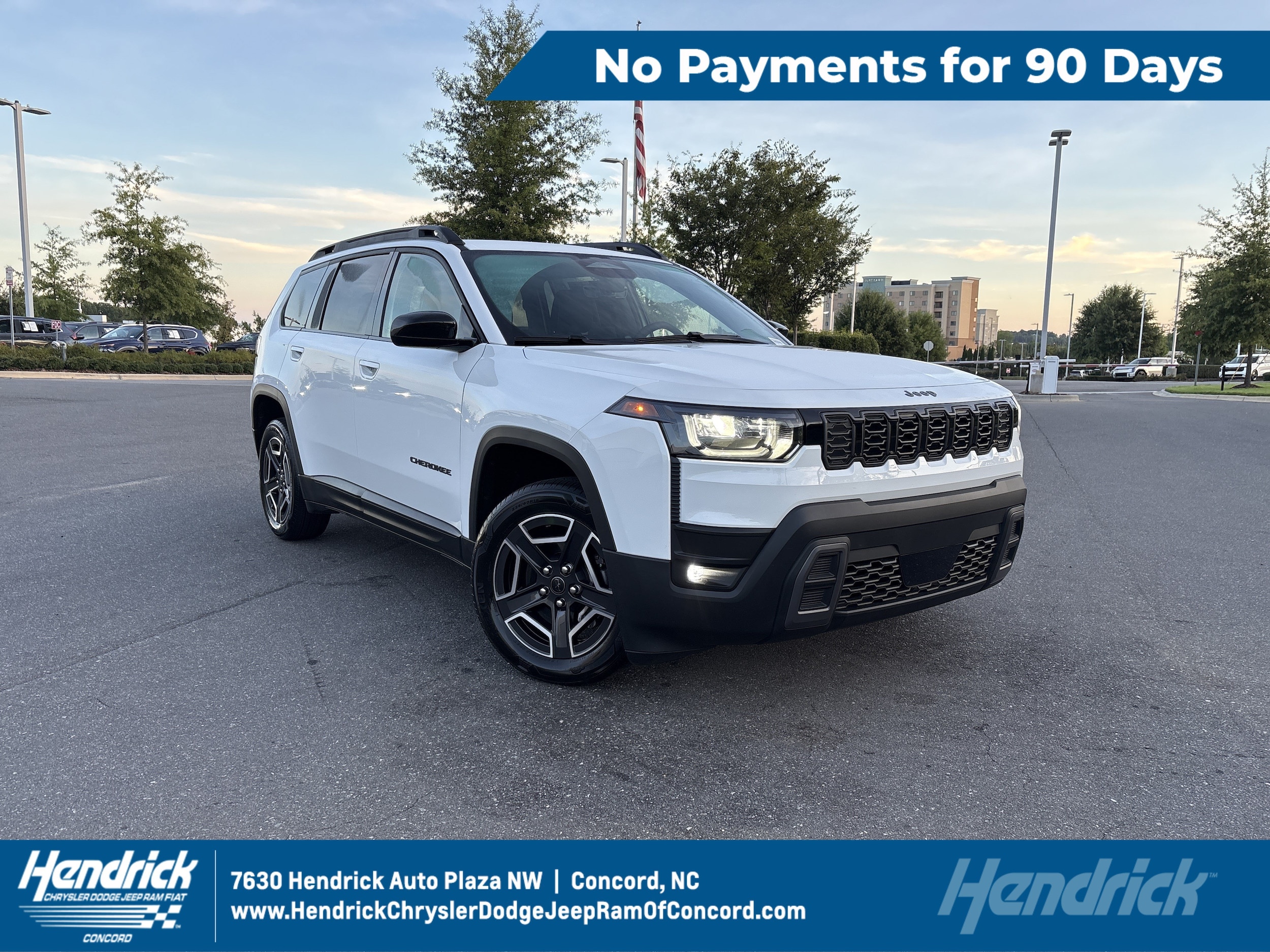
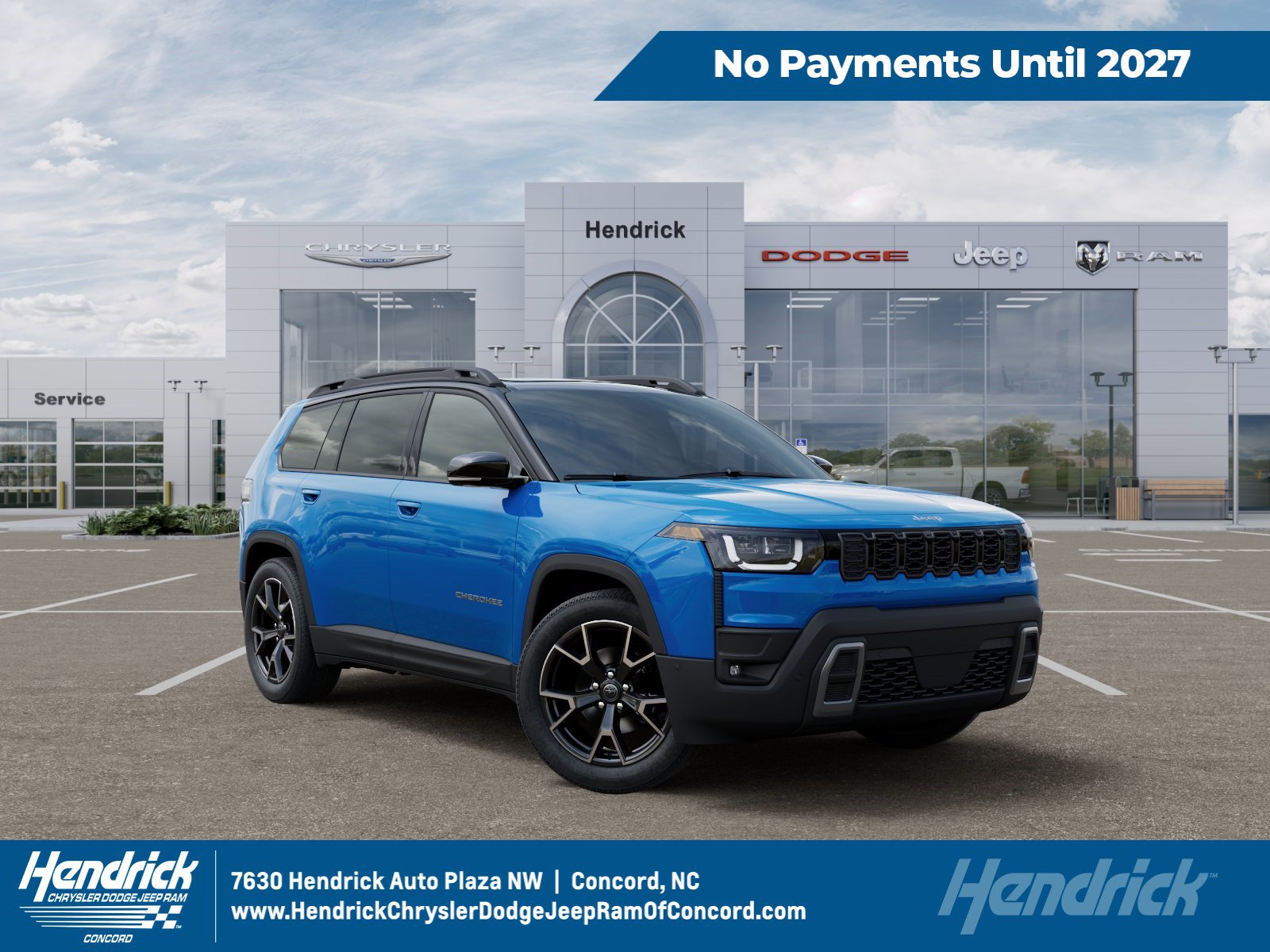
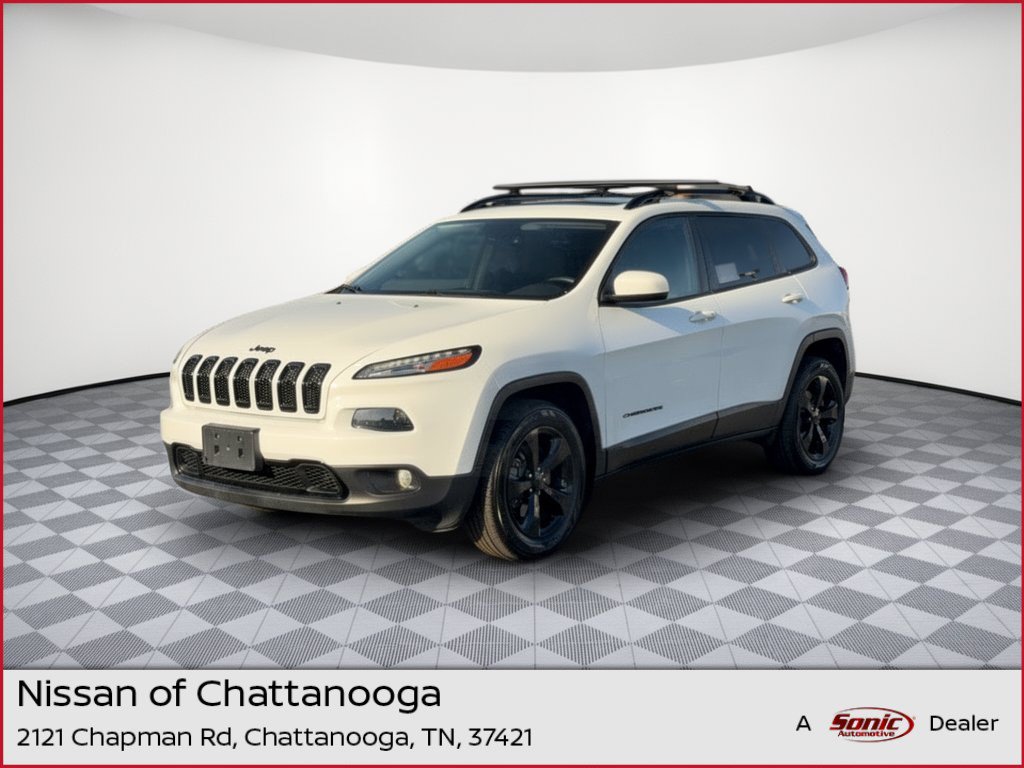
The Jeep Cherokee is a versatile SUV that appeals to buyers seeking a practical daily driver with off-road capability. If you’re in the market in major cities, understanding the generations, engine options, and body styles can help you choose a configuration that fits your lifestyle and budget. This guide covers common questions buyers ask, including which year and generation offer the best balance of reliability and features, how mileage affects value, and where to find the best deals in your country or city.
When evaluating a Jeep Cherokee, ponder the generation and body layout that best suits your needs. Earlier generations emphasized rugged off-road prowess, while newer models focus on technology, comfort, and on-road manners. Common configurations include a 4-door SUV with a compact footprint ideal for urban parking and family use. Consider whether you prefer a traditional gasoline engine or a more efficient option offered in certain years. In markets where fuel economy and maintenance costs are tracked, comparing overall ownership costs can save you from unexpected expenses over the life of the vehicle.
For buyers in countries with strict emissions standards, verify that the trim you choose meets local regulations and offers the right fuel type for your city’s fuel economy expectations. Mileage, year, and price segment all influence negotiation, so arm yourself with recent market insights before visiting a dealership or private seller.
Jeep Cherokee pricing varies by generation, trim level, and state of repair. In many markets, price segments help buyers quickly gauge value: base models usually sit at a lower price point, while higher trims with advanced safety tech, all-wheel-drive systems, and larger infotainment screens command a premium. If you’re comparing options in your city, make a shortlist of models by year, mileage, and condition to see which offers the best balance between features and cost.
When evaluating a specific vehicle, ask for a full inspection and a vehicle history report. In urban markets, reliable sellers often present well-documented service records and clear ownership history. For buyers who plan to resell later, note that younger mileage and fewer prior owners typically yield stronger resale value, especially for capable bodies and engines that remain popular among SUV enthusiasts.
Pros: versatile cargo space, confident handling on mixed roads, broad dealer and aftermarket support. Cons: older generations can be noisier inside, some model years show higher maintenance costs.
Buying tip: match your fuel preference with typical driving patterns. If you primarily drive in the city, a model with efficient fuel options and a comfortable interior may be preferable. For weekend adventures, ensure the vehicle has appropriate traction and ground clearance to handle light off-road use.
By following these guidelines, you can identify a Jeep Cherokee that aligns with your budget, lifestyle, and local market realities.
 Add as preferred sourceSee more from zvelta in Google Search Add as preferred source